Facial Fat Grafting: How Fat Transfer Can Restore Volume Naturally
A youthful face is not defined only by smooth skin. Facial volume and proportions also play an important role.
With aging, some people experience loss of volume around areas such as the cheeks, temples and under-eye region.
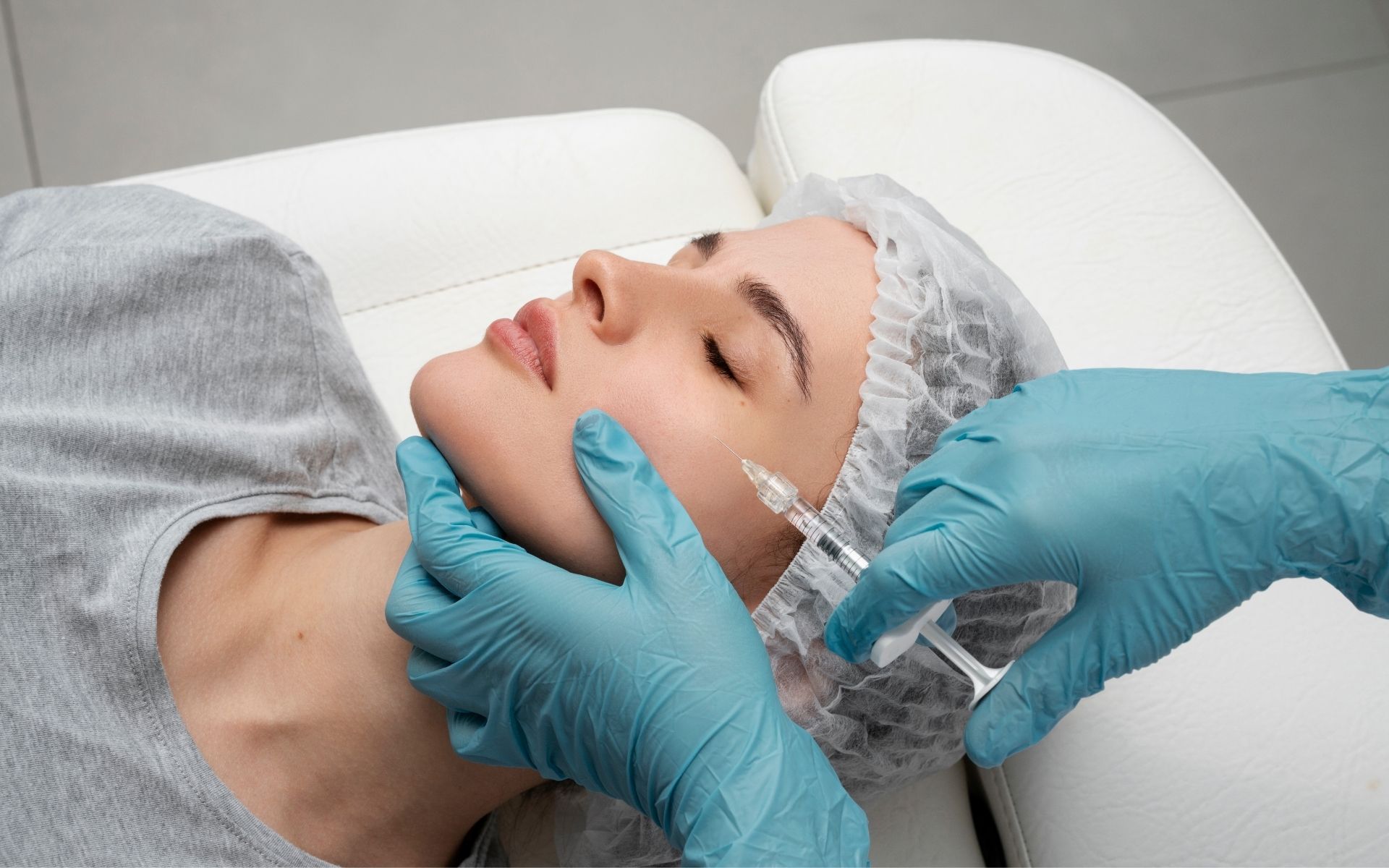
Facial fat grafting, also called facial fat transfer, uses fat harvested from another area of the patient’s body and transfers it to selected facial regions.
The objective is to restore volume and improve facial proportions using the patient’s own tissue.
Why Does Facial Volume Decrease With Age?
Facial aging involves several changes.
These may include:
- Loss of subcutaneous fat
- Changes in bone structure
- Skin laxity
- Reduced collagen
- Changes in fat distribution
This can result in:
- Hollow cheeks
- Sunken temples
- Under-eye hollowness
- Less youthful facial contours
How Does Fat Transfer Work?
The procedure generally involves three main stages:
1. Fat Harvesting:
A small amount of fat is collected from a suitable donor area.
2. Fat Processing:
The harvested fat is processed to prepare it for transfer.
3. Fat Injection:
Small amounts of fat are strategically placed into selected facial areas.
The technique requires precision because excessive volume in one area can create an unnatural appearance.
Where Can Facial Fat Grafting Be Used?
Depending on the patient’s anatomy and goals, fat transfer may be considered for areas such as:
- Cheeks
- Temples
- Under-eye region
- Lips
- Certain facial depressions
- Other areas of volume deficiency
Not every patient requires treatment in every area.
Why Use Your Own Fat?
One of the advantages of autologous fat transfer is that the tissue comes from the patient’s own body.
This avoids introducing a permanent synthetic implant into the treated area.
However, transferred fat behaves like living tissue and some of the injected volume may not survive.
Is Facial Fat Grafting the Same as a Dermal Filler?
No.
Dermal fillers are injectable materials specifically manufactured for cosmetic use.
Fat grafting uses the patient’s own harvested fat.
Both can be used for facial volume enhancement, but their techniques, longevity and considerations are different.
Can Facial Fat Grafting Make You Look Younger?
It can restore selected areas of lost volume and may soften certain facial contours.
However, fat transfer does not directly correct every aspect of facial aging.
Patients with significant skin laxity may require another procedure, such as a facelift, depending on their concerns.
Can Fat Transfer Be Combined With a Facelift?
In selected patients, yes.
A facelift primarily addresses tissue descent and skin laxity, while fat grafting can restore volume.
Combining procedures may be considered when both concerns contribute to facial aging.
Recovery:
Temporary effects may include:
- Swelling
- Bruising
- Tenderness
- Tightness
- Temporary asymmetry
There may also be swelling or bruising at the donor site.
The final appearance should not be judged immediately after surgery because swelling can significantly affect early results.
How Long Does Facial Fat Transfer Last?
Some of the transferred fat can survive permanently.
However, the amount of retained volume varies among individuals.
Weight fluctuations can also influence transferred fat because fat cells respond to changes in body weight.
Potential Risks:
Possible complications include:
- Infection
- Bleeding
- Asymmetry
- Contour irregularities
- Fat resorption
- Overcorrection
- Under-correction
- Need for additional treatment
A qualified surgeon should discuss the risks and limitations before treatment.
Frequently Asked Questions:
Is facial fat transfer permanent?
Some transferred fat can survive long-term, but the amount retained varies.
Is facial fat grafting safer than fillers?
They are different procedures with different risk profiles. Suitability depends on the individual patient.
Can facial fat transfer remove wrinkles?
It may improve wrinkles or folds related to volume loss, but it does not directly treat every type of wrinkle.
Can I have fat grafting after weight loss?
Potentially, depending on the amount of available donor fat and overall health.
Final Takeaway:
Facial fat grafting in Dehradun can restore selected areas of lost facial volume using the patient’s own fat.
The best results depend on conservative, precise placement and a treatment plan that considers the entire face rather than focusing on one isolated feature.
A consultation with Dr. Rakesh Tawar can help determine whether facial fat transfer is appropriate for your aesthetic goals.

Post a comment