

Skin Necrosis After Liposuction or Tummy Tuck: Risk Factors
Skin necrosis, the death of skin tissue due to inadequate blood supply, is an uncommon but serious complication that can occur after liposuction or tummy tuck surgery. Understandin
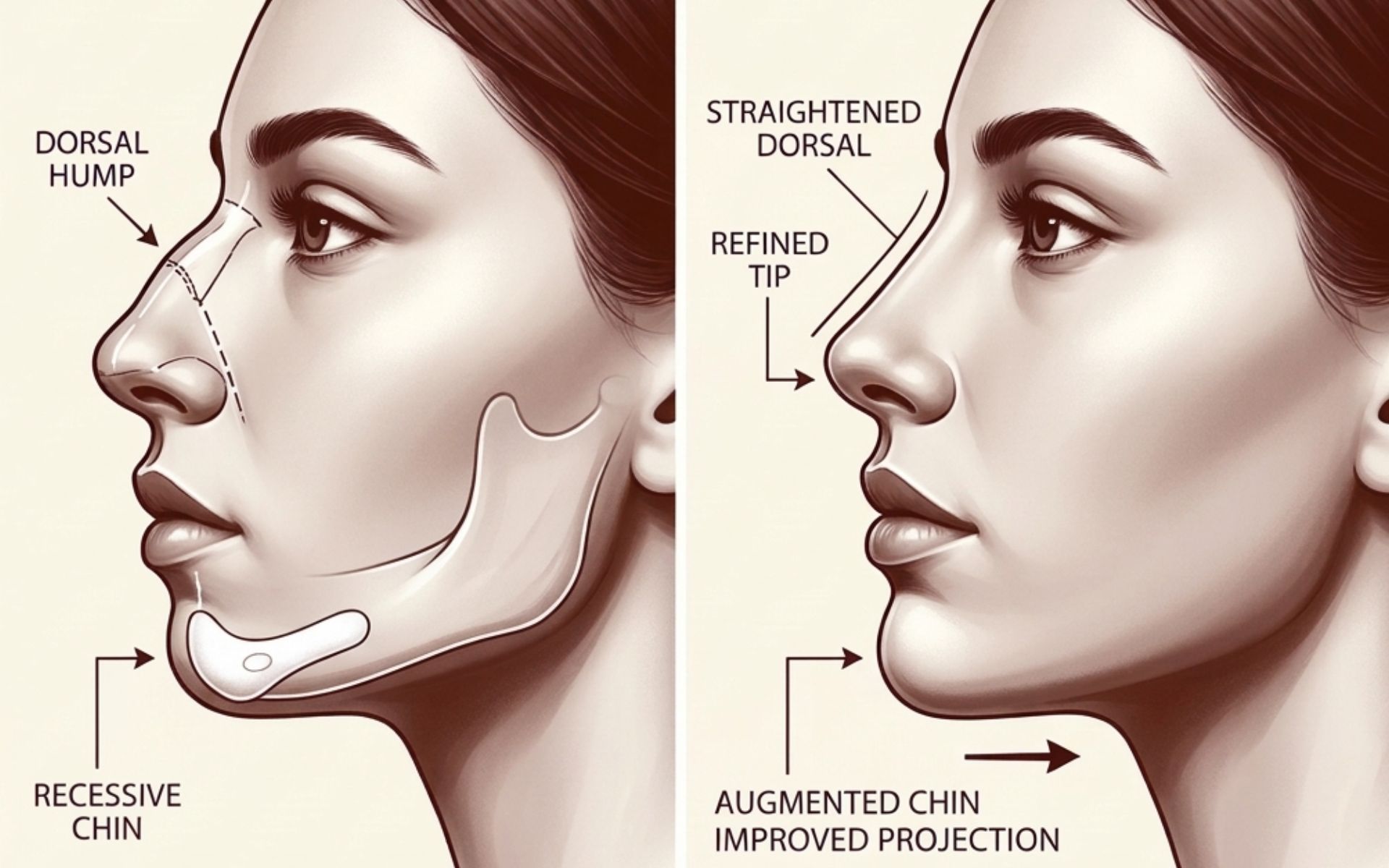
Combining Rhinoplasty and Chin Augmentation: Is It Safe in One Surgery?
Facial harmony is often about proportion and balance between features, not any single feature in isolation. This is why some patients considering rhinoplasty are also advised to ev

Surgical vs Non-Surgical Vaginal Rejuvenation: What Actually Works
Vaginal rejuvenation encompasses a range of procedures addressing changes related to childbirth, aging, or hormonal shifts. Options range from non-surgical energy-based treatments

What Happens If Cosmetic Surgery Goes Wrong: Managing Complications
While the majority of cosmetic surgeries proceed smoothly with experienced surgeons, complications can occur, and it’s important for patients to understand what warning signs to
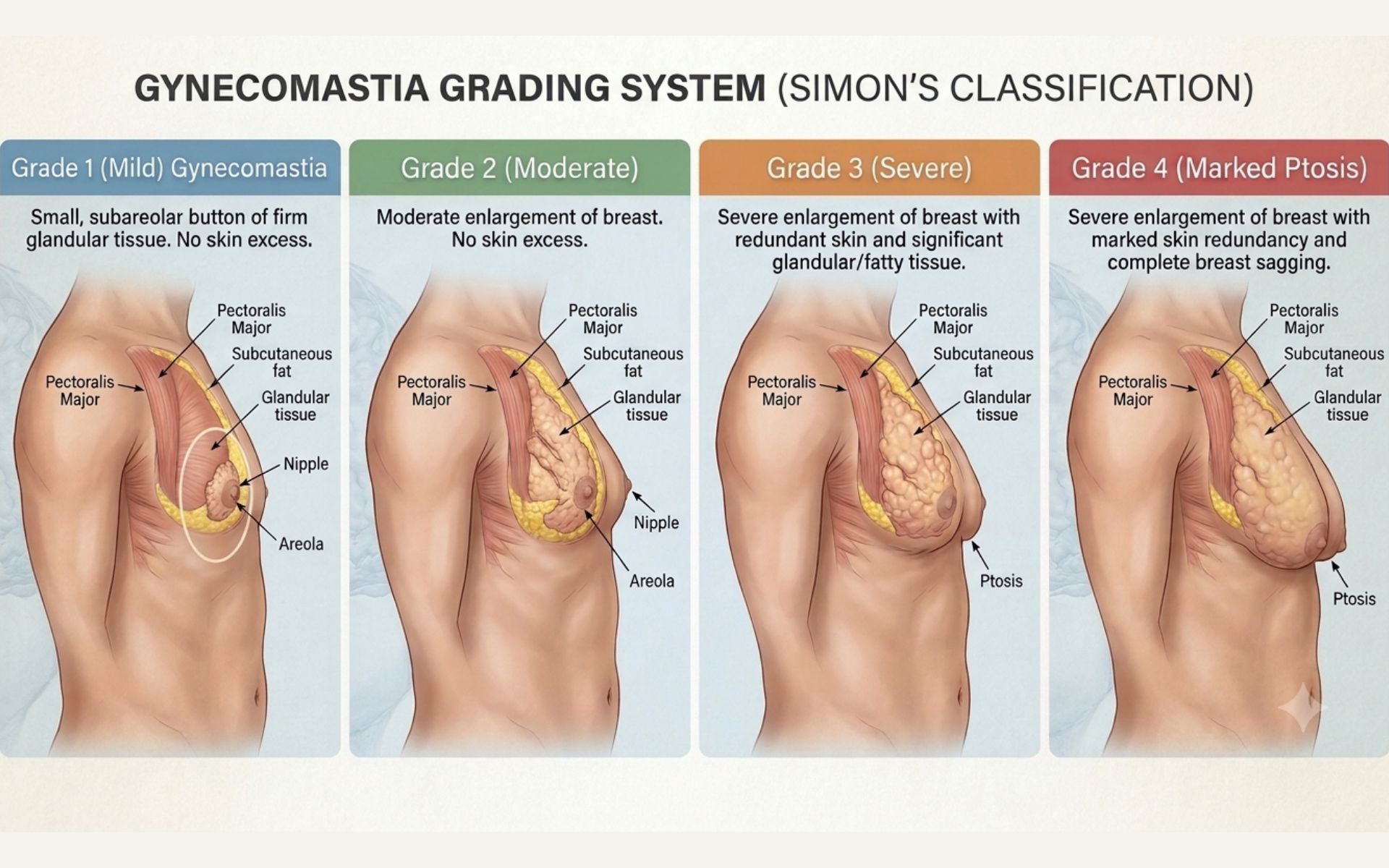
Gynecomastia Grading System: How Severity Decides Your Surgery
Gynecomastia enlargement of male breast tissue varies significantly in severity from patient to patient. Surgeons use a grading system to determine the most appropriate surgical ap

Implant Rupture and Silent Rupture: Signs and What to Do
Breast implants are not designed to last a lifetime, and rupture while uncommon is a recognised long-term risk. Understanding the difference between a symptomatic rupture and a “
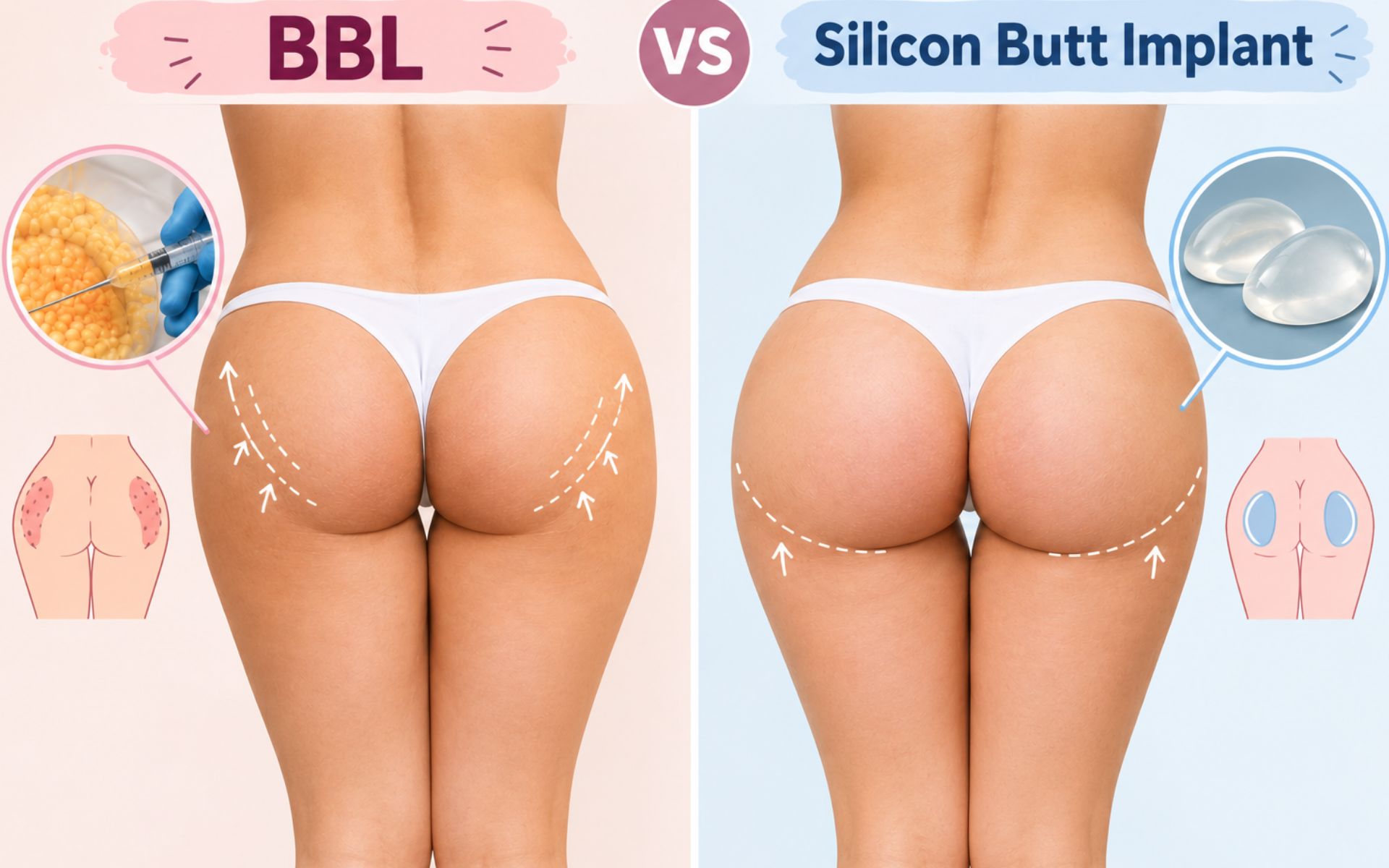
BBL (Fat Transfer) vs Silicone Butt Implants: Which Is Safer?
Buttock augmentation has grown significantly in popularity, and patients typically choose between two approaches: fat transfer (often called a Brazilian Butt Lift, or BBL) and sili
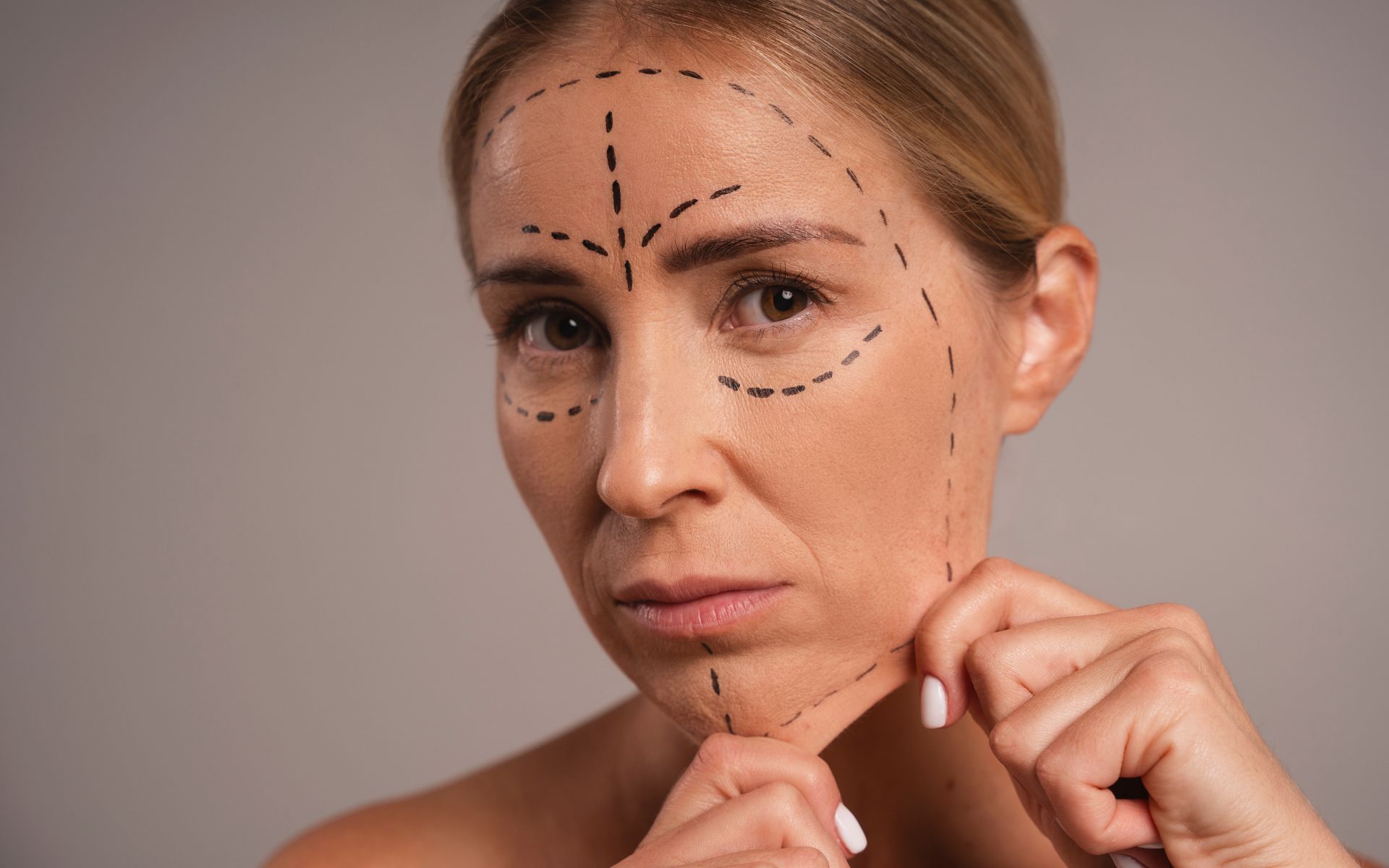
Deep Plane vs SMAS Facelift: What’s the Real Difference?
Facelift techniques have evolved considerably, and two terms frequently come up in consultations: SMAS facelift and deep plane facelift. While both aim to address sagging skin and
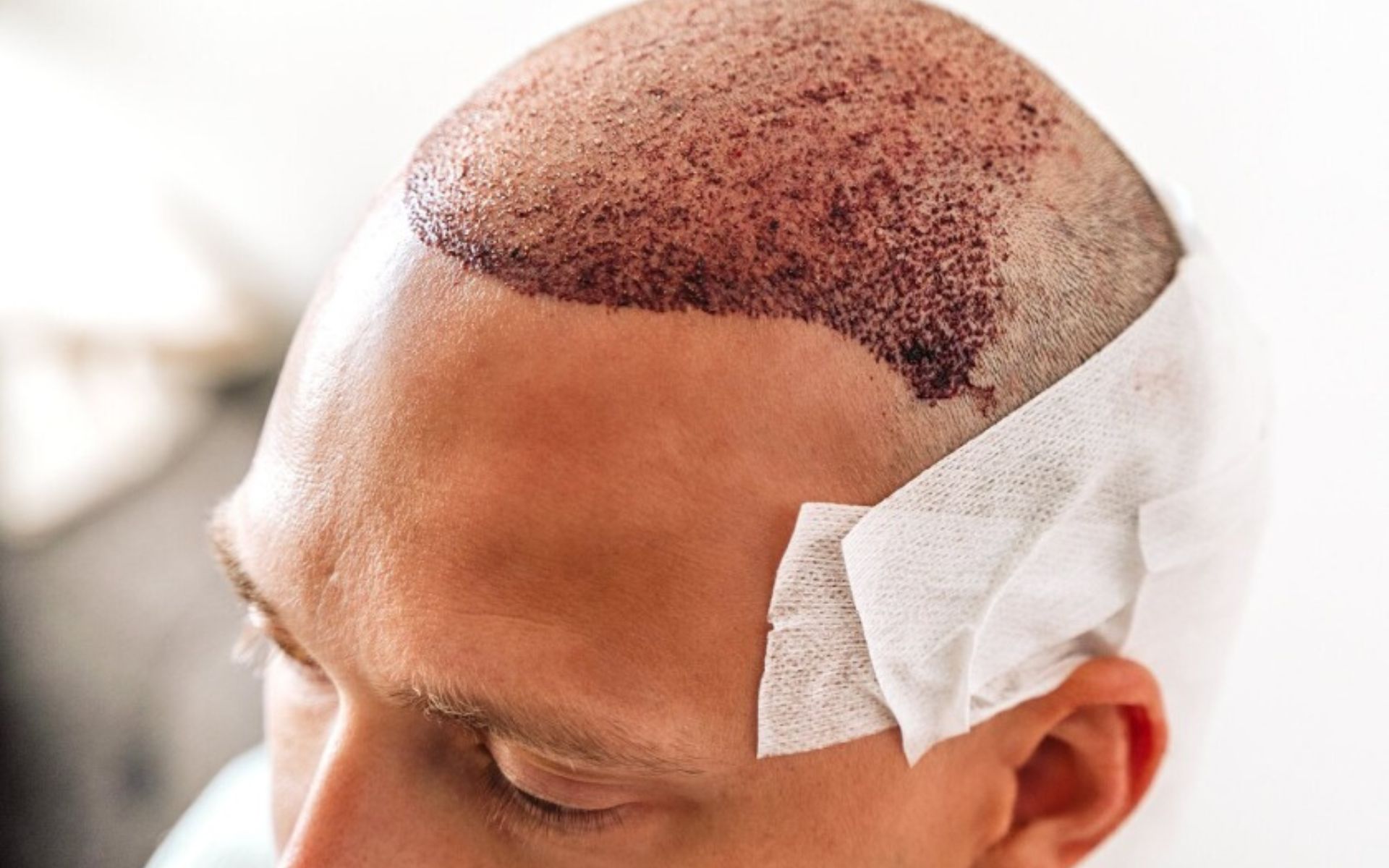
Hair Transplant Repair: Correcting a Bad or Failed Transplant
Not every hair transplant delivers the natural result a patient expects. Unnatural hairlines, visible plugs, poor graft angulation, or low graft survival can leave patients looking

Revision Rhinoplasty: Why Correcting a Previous Nose Job Is More Complex
For most patients, rhinoplasty is a one-time procedure. But for a small percentage, the results of a first surgery fall short whether due to unresolved breathing issues, visible as