Revision Rhinoplasty: Why Correcting a Previous Nose Job Is More Complex
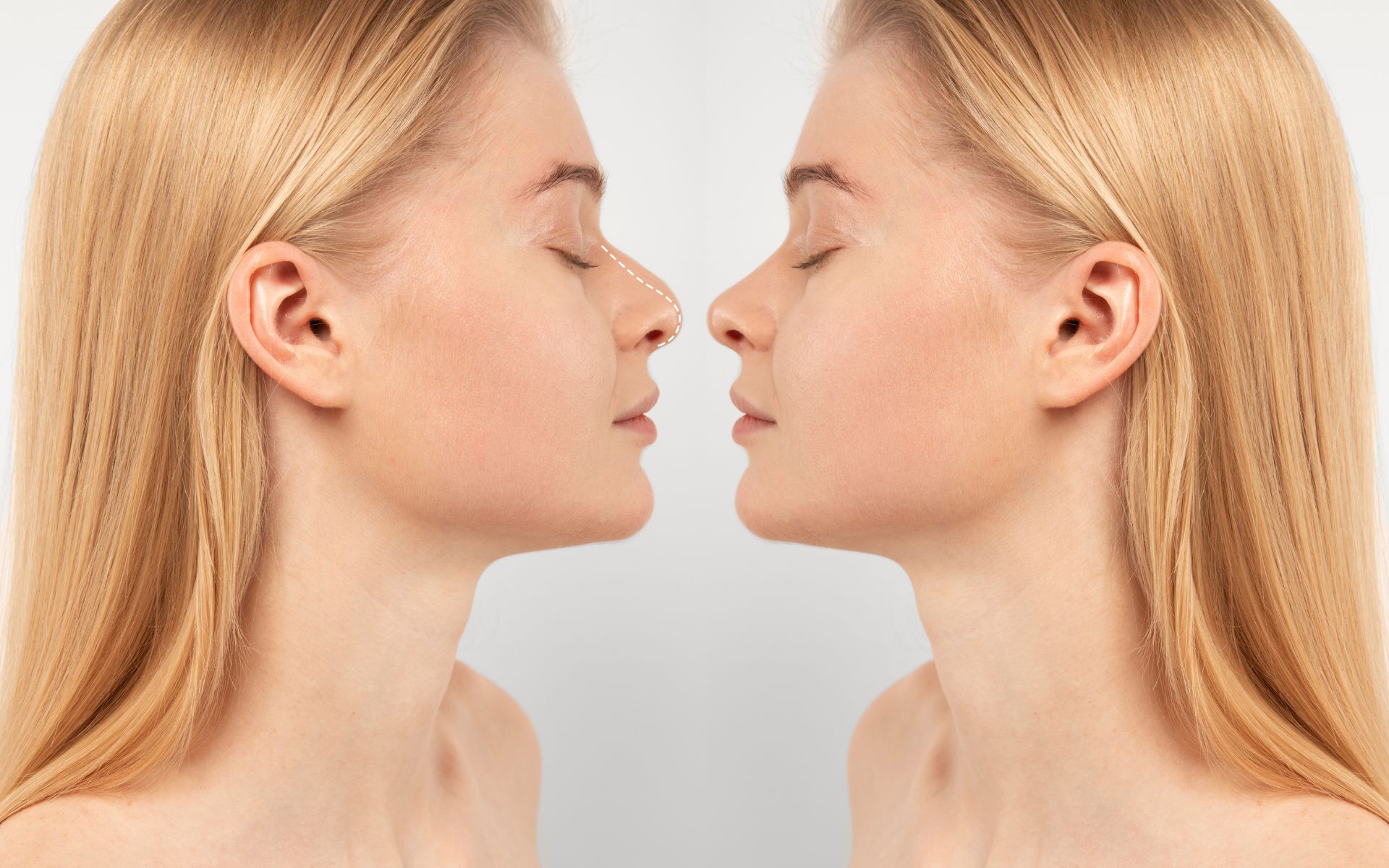
For most patients, rhinoplasty is a one-time procedure. But for a small percentage, the results of a first surgery fall short whether due to unresolved breathing issues, visible asymmetry, an over-resected tip, a pinched appearance, or a collapsed nasal structure. In these cases, revision rhinoplasty becomes necessary, and it is widely recognised as one of the most technically demanding procedures in facial plastic surgery. Studies on rhinoplasty outcomes generally estimate that a meaningful percentage of patients seek some form of revision, which is why choosing a surgeon experienced specifically in revision cases matters as much as, if not more than, the first surgery.
Why Revision Surgery Is Harder Than the Original:
The first rhinoplasty changes the internal architecture of the nose. Cartilage may have been removed, weakened, or repositioned, and scar tissue forms during healing. This means a revision surgeon is working with less native cartilage, altered blood supply, and unpredictable scar patterns all while trying to achieve a result that looks natural and functions well for breathing. Unlike a primary rhinoplasty where the anatomy is largely predictable, revision surgery requires the surgeon to essentially reverse-engineer what was done previously before deciding how to move forward.
In many cases, additional cartilage is required to rebuild structural support. Since the septum may already have been used as a graft source in the first surgery, surgeons often need to harvest cartilage from the ear or rib to reconstruct the nose properly.
Common Reasons Patients Seek Revision:
• Persistent or worsened breathing difficulty after the first surgery
• A visible bump, step-off, or asymmetry that wasn’t fully corrected
• An overly pinched, “operated” look, especially at the tip
• Nasal valve collapse causing breathing obstruction
• Skin thinning or contour irregularities from aggressive cartilage removal
Benefits of Choosing an Experienced Revision Surgeon:
• Structural rebuilding, not just reshaping — addressing collapsed valves, weakened tip support, and breathing obstruction, not only cosmetic concerns
• Cartilage graft expertise: safe harvesting from septal, ear, or rib sources when needed
• Realistic outcome planning: a thorough understanding of what revision surgery can and cannot achieve, set clearly before surgery
• Combined functional and aesthetic correction: resolving breathing problems alongside appearance concerns in a single procedure
• Reduced risk of a second revision: meticulous technique lowers the chance of needing further correction
Is Revision Rhinoplasty Right for You?
You may be a candidate if you: Had a previous rhinoplasty at least 12 months ago and results have fully settled Experience breathing difficulty that developed or worsened after your first surgery Notice visible asymmetry, irregularities, or a result that doesn’t match what was discussed pre-surgery Have realistic expectations about incremental improvement rather than a “perfect” outcome
What to Expect: The Process:
Revision rhinoplasty typically requires a longer consultation process, often including a CT scan or endoscopic examination to assess internal nasal structures, remaining cartilage supply, and airway function. Surgery itself usually takes longer than a primary rhinoplasty due to the need to release scar tissue and rebuild structural support.
Recovery Timeline:
• Week 1: Swelling and bruising, similar to a primary rhinoplasty; splint or cast in place
• Weeks 2–4: Most visible bruising resolves; residual swelling remains, especially at the tip
• Months 3–6: Refinement continues as swelling gradually reduces
• Months 12–18: Final result visible, as revision cases typically take longer to fully settle due to thicker scar tissue from the earlier procedure
Frequently Asked Questions:
How long should I wait after my first rhinoplasty before considering revision?
Most surgeons recommend waiting at least 12 months, as swelling and scar tissue need time to fully settle before the final result can be accurately assessed.
Is revision rhinoplasty riskier than the first surgery?
It carries a higher technical complexity due to scar tissue and reduced cartilage availability, which is why it should only be performed by a surgeon experienced specifically in revision cases.
Will I need a rib or ear cartilage graft?
Not always — it depends on how much septal cartilage remains. When insufficient, ear or rib cartilage offers a safe, reliable alternative.
Can revision rhinoplasty fix breathing problems from the first surgery?
Yes, when the breathing issue is caused by structural collapse or over-resection, revision surgery can rebuild support and improve airflow.
Does revision rhinoplasty cost more than a primary procedure?
Generally yes, since it requires more surgical time, greater technical complexity, and sometimes additional graft harvesting from a secondary donor site.
How many revision surgeries can a nose safely undergo?
There is no fixed number, but each subsequent surgery reduces available cartilage and increases scar tissue, which is why getting the revision right the first time matters significantly.
Post a comment