

Skin Necrosis After Liposuction or Tummy Tuck: Risk Factors
Skin necrosis, the death of skin tissue due to inadequate blood supply, is an uncommon but serious complication that can occur after liposuction or tummy tuck surgery. Understandin
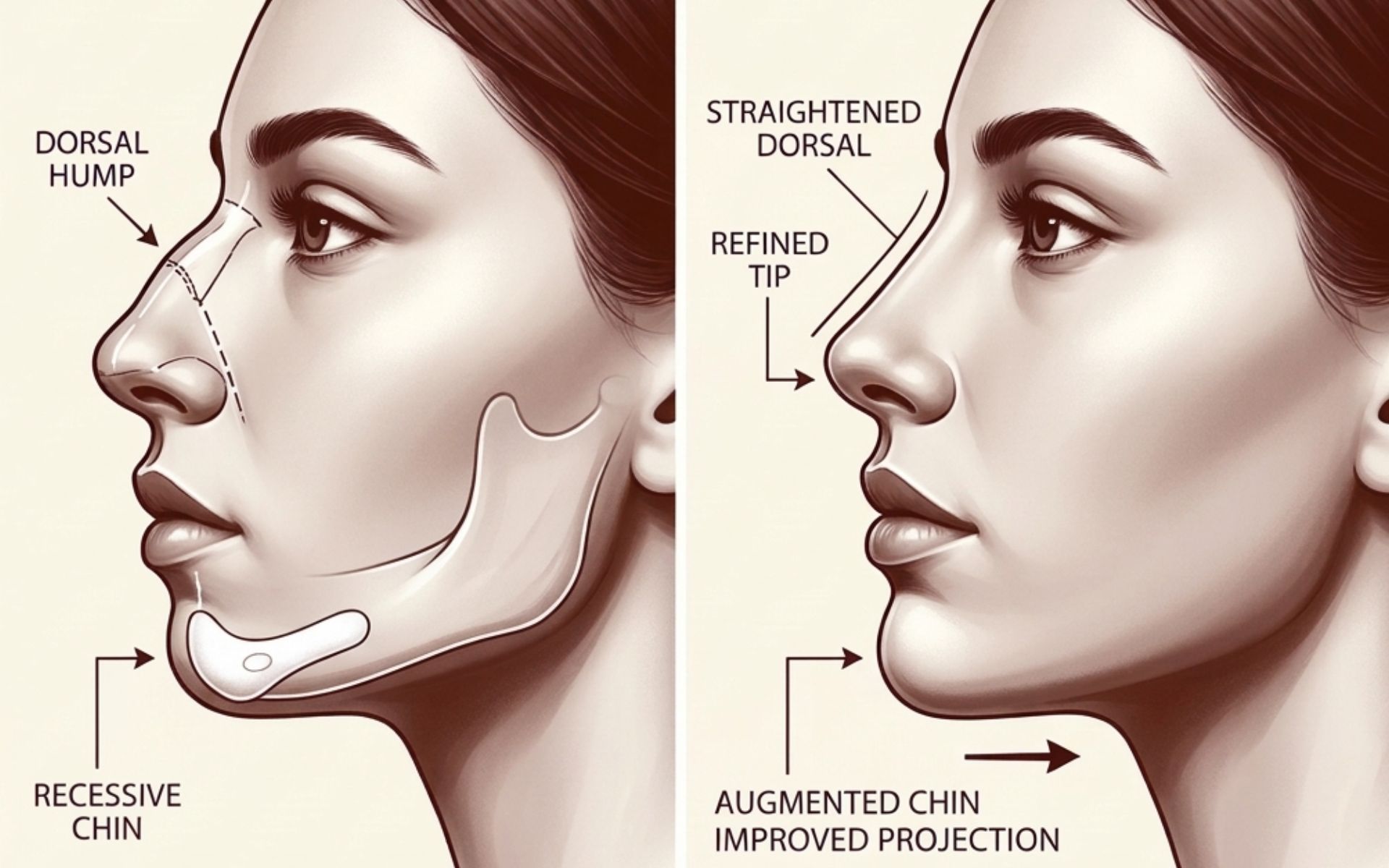
Combining Rhinoplasty and Chin Augmentation: Is It Safe in One Surgery?
Facial harmony is often about proportion and balance between features, not any single feature in isolation. This is why some patients considering rhinoplasty are also advised to ev

Surgical vs Non-Surgical Vaginal Rejuvenation: What Actually Works
Vaginal rejuvenation encompasses a range of procedures addressing changes related to childbirth, aging, or hormonal shifts. Options range from non-surgical energy-based treatments
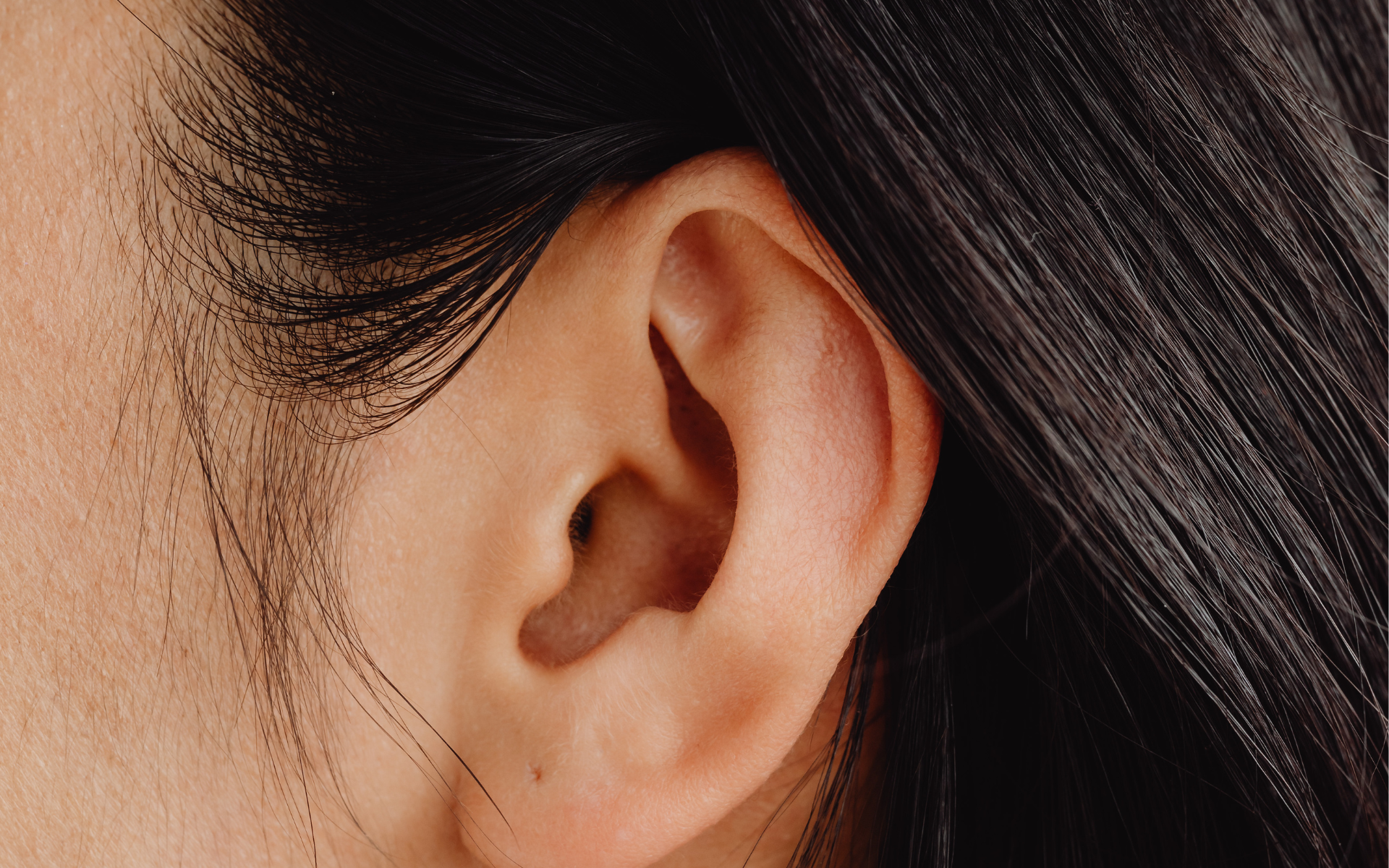
Otoplasty vs Ear Reconstruction: Prominent Ears vs Rebuilding an Ear
Both otoplasty and ear reconstruction address concerns with ear appearance, but they serve very different purposes and patient needs. Otoplasty: Otoplasty is a cosmetic procedure t

Buccal Fat Removal: Who Is (and Isn’t) a Good Candidate
Buccal fat removal, which addresses the fat pads in the lower cheeks, has gained significant popularity for creating a more contoured, defined facial appearance. However, it isn’

Facial Fat Grafting vs Dermal Fillers: Which Lasts Longer?
Both facial fat grafting and dermal fillers address volume loss in the face, but they differ significantly in longevity, cost structure, and the nature of the material used. Facial

Anesthesia Safety in Plastic Surgery: Questions to Ask Before Surgery
Anesthesia is a critical part of any surgical procedure, and understanding what type will be used, and the safety measures in place, helps patients feel more informed and prepared.

What Happens If Cosmetic Surgery Goes Wrong: Managing Complications
While the majority of cosmetic surgeries proceed smoothly with experienced surgeons, complications can occur, and it’s important for patients to understand what warning signs to
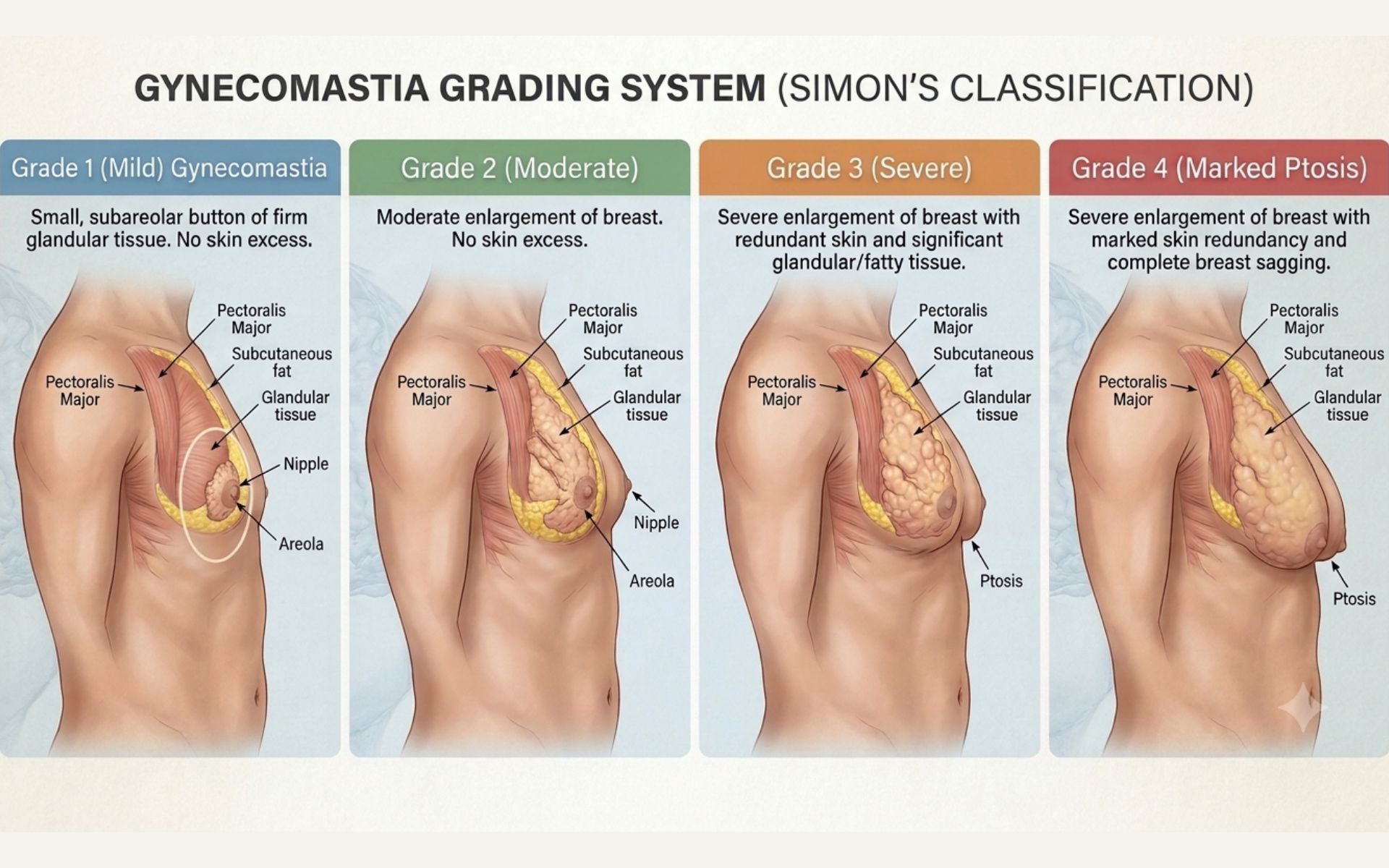
Gynecomastia Grading System: How Severity Decides Your Surgery
Gynecomastia enlargement of male breast tissue varies significantly in severity from patient to patient. Surgeons use a grading system to determine the most appropriate surgical ap

Implant Rupture and Silent Rupture: Signs and What to Do
Breast implants are not designed to last a lifetime, and rupture while uncommon is a recognised long-term risk. Understanding the difference between a symptomatic rupture and a “