
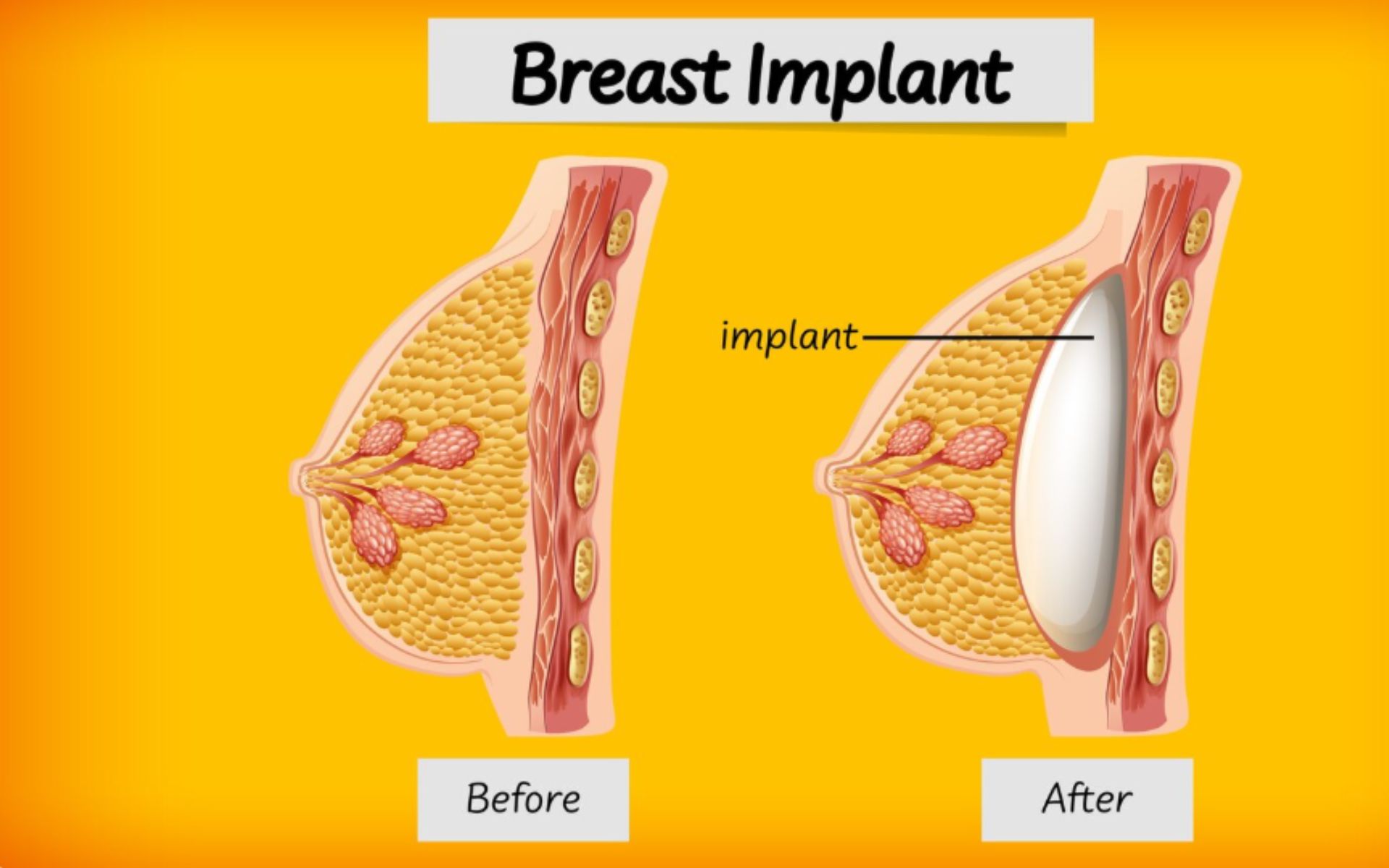
Capsular Contracture After Breast Implants: Causes, Grades and Correction
Capsular contracture is one of the most common long-term complications following breast augmentation. It occurs when the natural scar tissue capsule that forms around a breast implant tightens and hardens, sometimes causing discomfort, distortion, or a visibly unnatural appearance. It remains one of the leading reasons patients return for revision surgery after augmentation.
What Causes Capsular Contracture?
The exact cause isn’t always clear, but contributing factors include bacterial contamination during surgery (forming a biofilm around the implant), hematoma or seroma formation, implant rupture, and individual healing response. Textured implants and submuscular placement have historically been associated with lower rates compared to certain other techniques.
The Baker Grading System:
• Grade I: Breast feels soft and looks natural
• Grade II: Breast feels slightly firm but looks normal
• Grade III: Breast feels firm and looks abnormal (e.g., rounded or elevated)
• Grade IV: Breast is hard, painful, and visibly distorted
Grades I and II typically don’t require intervention. Grades III and IV usually require surgical correction.
Benefits of Timely Correction:
• Relief from pain and tightness associated with higher-grade contracture
• Restoration of natural breast shape and movement
• Reduced risk of recurrence when capsulectomy (removal of the scar capsule) is combined with implant exchange
• Option to switch implant type or pocket placement to lower future recurrence risk
• Improved symmetry when contracture has caused visible distortion on one side
Correction Options:
Treatment ranges from capsulotomy (releasing the tightened capsule) to a full capsulectomy with implant replacement. In more severe or recurrent cases, changing the implant pocket for example, from subglandular to submuscular can reduce the likelihood of recurrence. A technique called total capsulectomy with acellular dermal matrix or mesh support may also be used in complex or recurrent cases.
Are You at Risk? Warning Signs to Watch For:
• Breast that feels increasingly firm compared to when it was first placed
• Visible rounding, elevation, or distortion in breast shape
• Discomfort or tightness that develops gradually over time
• Asymmetry between the two breasts that wasn’t present initially
Recovery Timeline After Correction Surgery:
• Week 1: Swelling and bruising similar to initial augmentation surgery
• Weeks 2–4: Most discomfort resolves; return to light activity
• Months 1–3: Breast tissue continues to soften and settle
• Months 6+: Final shape and symmetry assessment
Frequently Asked Questions:
Is capsular contracture dangerous?
It isn’t life-threatening, but higher grades can cause significant pain, distortion, and discomfort that typically requires surgical correction.
Can capsular contracture happen years after surgery?
Yes, it can develop at any point, though risk is generally highest in the first two years after implant placement.
Does switching implant type reduce recurrence risk?
In some cases, changing implant surface texture, size, or pocket location can lower the chance of it happening again.
Is capsular contracture preventable?
While not entirely preventable, meticulous surgical technique, minimising bacterial contamination, and choosing appropriate implant placement can reduce the risk.
How is capsular contracture diagnosed?
It’s typically diagnosed through physical examination and grading, though imaging such as ultrasound or MRI may be used to assess implant integrity at the same time.
Can capsular contracture recur after correction surgery?
Yes, recurrence is possible, which is why techniques like total capsulectomy and pocket change are often used to reduce this risk in patients with a history of contracture.

Post a comment