
Hair Transplant Repair: Correcting a Bad or Failed Transplant
Not every hair transplant delivers the natural result a patient expects. Unnatural hairlines, visible plugs, poor graft angulation, or low graft survival can leave patients looking for corrective options. Hair transplant repair is a specialised field that addresses these outcomes and restores a more natural appearance, and it has grown significantly as more patients seek correction from outdated or poorly executed procedures.
Common Problems That Require Repair:
• Pluggy or unnatural hairline from older techniques using large grafts instead of individual follicular units
• Incorrect graft angle or direction, causing hair to grow unnaturally or in a “doll’s hair” pattern
• Overharvested donor area, leaving visible thinning at the back or sides
• Low graft survival, resulting in patchy, uneven coverage
• Scarring from strip (FUT) procedures that has widened or become raised
• Hairline placed too low or too straight, looking unnatural as the face ages
Benefits of Corrective Hair Transplant Surgery:
• Restores a natural hairline design tailored to facial proportions and age-appropriate hairline position
• Camouflages old scarring using FUE grafts placed directly into scar tissue
• Redistributes existing grafts in some cases, relocating misplaced plugs to more natural positions
• Improves donor area appearance through strategic extraction planning
• Rebuilds patient confidence after a disappointing first experience
How Repair Differs From a Standard Transplant?
Repair procedures require careful assessment of remaining donor supply, since a poor first transplant often depletes donor density. Surgeons may combine follicular unit extraction with strategic removal of old, poorly placed grafts to create a more cohesive, natural result. In some cases, laser-assisted graft removal is used to remove visible plugs before re-implanting smaller, more natural follicular units.
Is Hair Transplant Repair Right for You?
Consider a consultation if you notice: A hairline that looks artificial, too straight, or oddly positioned – Visible “doll’s hair” tufting from older transplant techniques – Thinning or bald patches from a previous session with poor graft survival A widened, visible scar from a strip (FUT) procedure
Recovery Timeline:
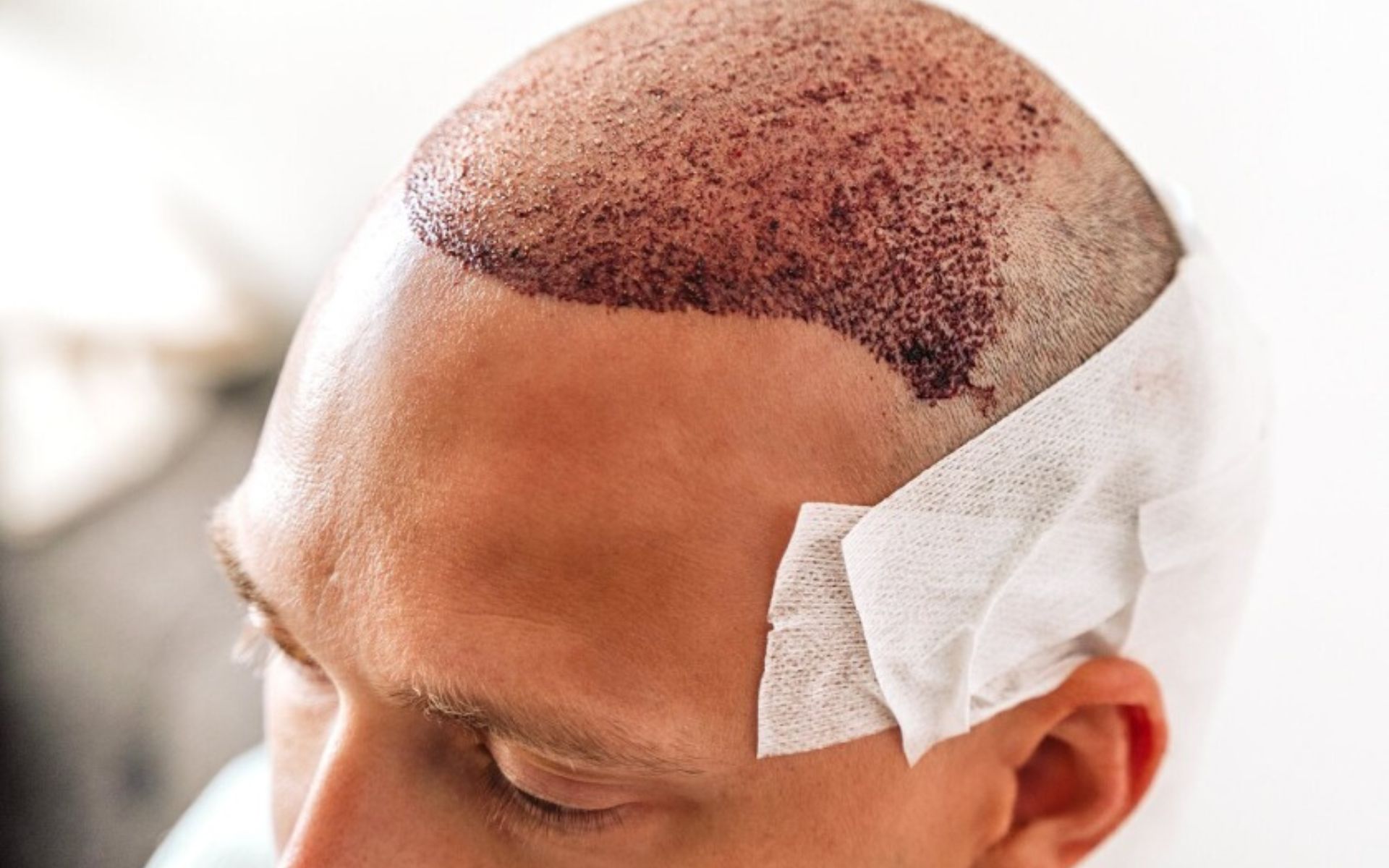
• Days 1–5: Scabbing at the recipient site, similar to a standard FUE procedure
• Weeks 2–4: Transplanted hair sheds (expected, not a failure sign)
• Months 3–4: New growth begins
• Months 9–12: Full results visible, allowing final assessment of hairline naturalness and density
Frequently Asked Questions:
Can a bad hair transplant always be fixed?
Most cases can be significantly improved, though the extent of correction depends on remaining donor hair and the nature of the original problem.
How soon can repair surgery be done after a failed transplant?
It’s generally advisable to wait at least 12 months to allow the scalp to fully heal and for final results of the original procedure to be visible.
Will repair surgery leave more scarring?
When performed using FUE, repair procedures typically add minimal additional scarring compared to the original surgery.
Does hair transplant repair cost more than a first transplant?
It can, since it often requires more precise planning, graft redistribution, and sometimes additional donor harvesting from a more limited supply.
Can old, visible plugs be removed completely?
In many cases, yes older plugs can be excised or extracted individually and replaced with smaller, more naturally angled grafts.
What if my donor area was overharvested in the first procedure?
In cases of significant donor depletion, alternative sources such as beard or body hair may be considered to supplement the repair.

Post a comment