
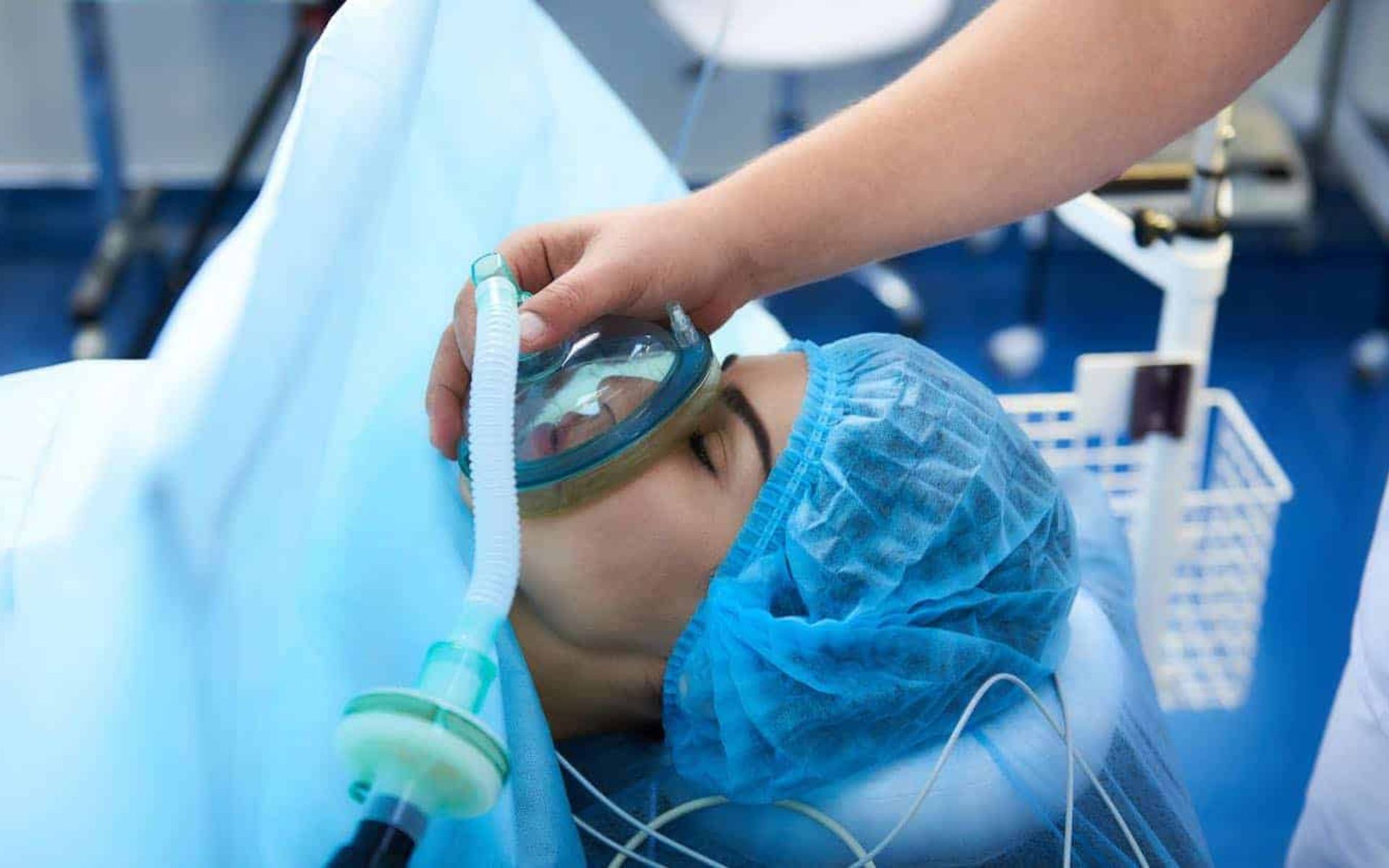
Anesthesia Safety in Plastic Surgery: Questions to Ask Before Surgery
Anesthesia is a critical part of any surgical procedure, and understanding what type will be used, and the safety measures in place, helps patients feel more informed and prepared.
Types of Anesthesia Used in Plastic Surgery:
• Local anesthesia — Numbs a specific area, often used for minor procedures
• Local with sedation — Combines numbing with relaxation medication for moderate procedures
• General anesthesia — Full unconsciousness, typically used for more extensive surgeries
Benefits of a Thorough Pre-Anesthesia Evaluation:
• Identification of risk factors: Cardiac, respiratory, or airway concerns assessed beforehand
• Personalised anesthesia planning: Based on the specific procedure and patient health
• Reduced risk of intraoperative complications: Through proper fasting and medication guidance
• Better post-operative recovery: With appropriate anti-nausea and pain management planning
• Peace of mind:, Knowing a qualified anesthesiologist is monitoring throughout the procedure
Key Questions to Ask Before Surgery:
• Who will be administering the anesthesia, and are they a qualified anesthesiologist?
• What type of anesthesia is recommended for my specific procedure, and why?
• What is my personal risk profile based on my medical history?
• What monitoring equipment will be used during surgery?
• What is the plan for pain and nausea management after I wake up?
Pre-Surgery Preparation Checklist:
• Disclose all medications, supplements, and allergies to your surgical team
• Follow fasting instructions exactly as provided
• Arrange for someone to accompany you home, as driving isn’t safe after sedation or general anesthesia
• Avoid alcohol for the recommended period before surgery
• Confirm any medications you should pause or continue on the day of surgery
Frequently Asked Questions:
Is general anesthesia safe for cosmetic surgery?
Yes, when administered by a qualified anesthesiologist with proper pre-operative screening and monitoring, general anesthesia carries a well-established safety profile.
What pre-surgery tests are typically required?
This usually includes blood tests, and depending on age and health history, may include an ECG or chest X-ray to assess fitness for anesthesia.
Can I request local anesthesia instead of general for a larger procedure?
This depends on the specific surgery some procedures require general anesthesia for safety and patient comfort, while others can be performed under local anesthesia with sedation.
How long does anesthesia take to wear off after surgery?
This varies by individual and anesthesia type, but most patients regain full alertness within a few hours, with complete clearance from the system over 24 hours.
Will I feel nauseous after waking up from anesthesia?
Some patients experience mild nausea, which is why anti-nausea medication is often given proactively as part of standard anesthesia protocol.
What happens if I have a cold or infection before my scheduled surgery?
It’s important to inform your surgical team, as active illness may require postponing surgery to reduce anesthesia and healing risks.

Post a comment