
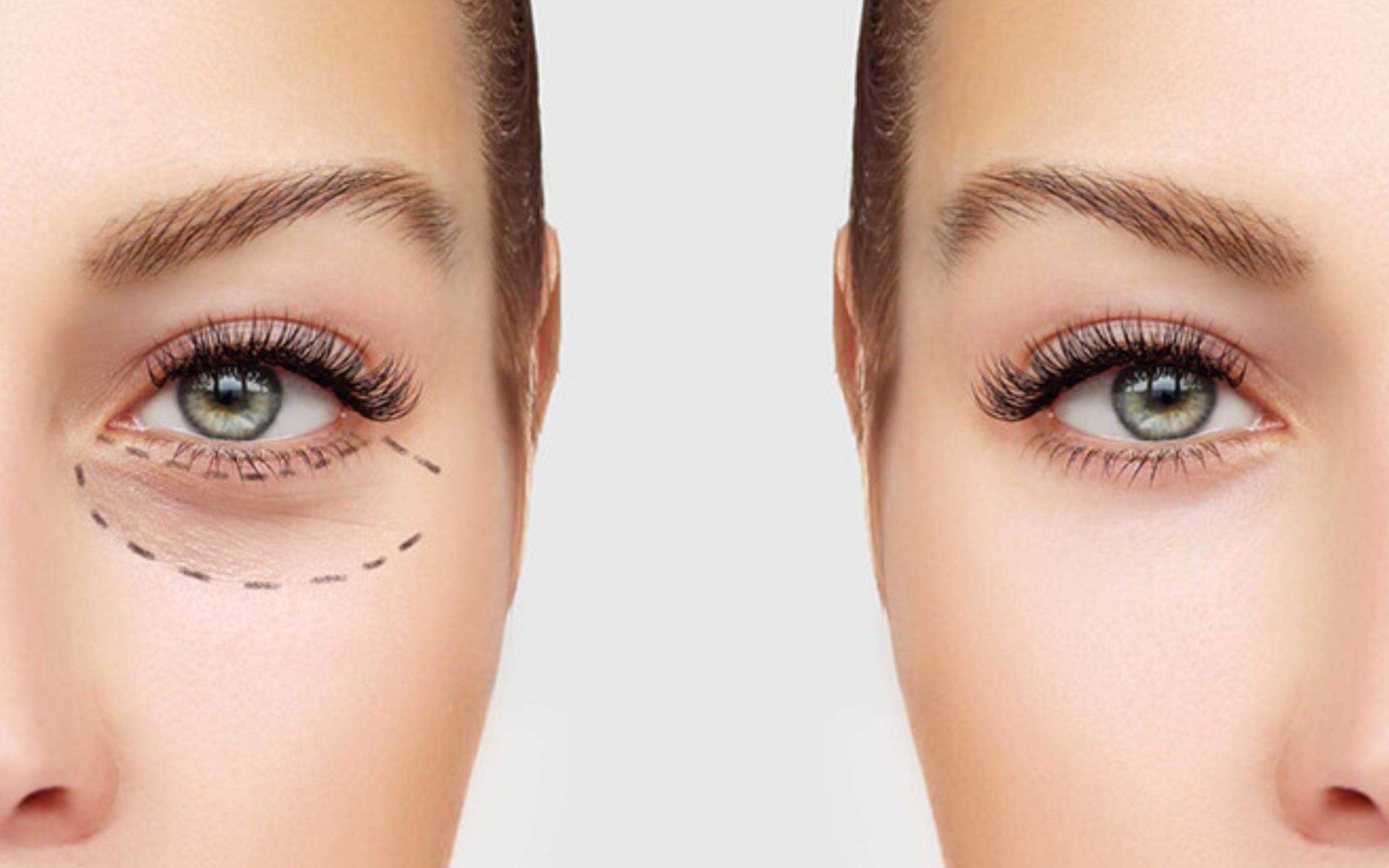
Blepharoplasty for Droopy Eyelids: How Eyelid Surgery Can Refresh Your Facial Appearance
The skin around the eyes is delicate and can show age-related changes earlier than other facial areas.
Over time, some people develop:
- Drooping upper eyelids
- Excess eyelid skin
- Under-eye bags
- Puffiness
- A tired appearance
- Changes in the contour around the eyes
Blepharoplasty, or eyelid surgery, is designed to address selected structural changes around the upper and/or lower eyelids.
Dr. Tawar lists blepharoplasty among his facial aesthetic services.
What Is Blepharoplasty?
Blepharoplasty is a surgical procedure that can address excess skin and, when appropriate, fat or muscle around the eyelids.
It can be performed on:
- Upper eyelids
- Lower eyelids
- Both upper and lower eyelids
The treatment plan depends on the patient’s anatomy.
Upper vs Lower Blepharoplasty
Upper Blepharoplasty:
Primarily addresses excess skin and tissue affecting the upper eyelid.
Patients may seek it for:
- Drooping eyelids
- Heavy-looking upper eyelids
- Excess skin
- An aged or tired appearance
Lower Blepharoplasty:
Focuses on concerns such as:
- Under-eye bags
- Lower eyelid skin laxity
- Certain forms of puffiness
Not every under-eye concern requires surgery, so careful assessment is important.
Can Blepharoplasty Improve Vision?
In some patients, excess upper-eyelid skin can interfere with the upper field of vision.
When this occurs, eyelid surgery may have both functional and aesthetic considerations.
However, a proper evaluation is required to determine whether eyelid skin is actually contributing to visual obstruction.
Blepharoplasty vs Brow Lift:
These procedures address different areas.
Blepharoplasty primarily addresses the eyelid tissues.
Brow lift addresses the position of the eyebrows and forehead tissues.
This distinction matters because brow descent can sometimes contribute to upper-eyelid heaviness.
In selected patients, both procedures may be considered.
How Is Eyelid Surgery Performed?
The surgical approach depends on the patient’s anatomy.
For upper eyelid surgery, incisions are generally positioned within the natural eyelid crease.
For lower eyelid surgery, the incision strategy depends on whether the main concern is excess skin, fat or another structural issue.
The goal is to improve the appearance while preserving appropriate eyelid function.
Recovery:
Common temporary effects include:
- Swelling
- Bruising
- Tightness
- Mild discomfort
- Temporary dryness or irritation
Patients should follow postoperative instructions carefully and attend scheduled follow-ups.
Will There Be Visible Scars?
Eyelid surgery is designed so that incisions can be placed in natural creases or less conspicuous locations where appropriate.
Scar maturation varies between individuals.
Potential Risks:
Possible complications can include:
- Infection
- Bleeding
- Dry eyes
- Changes in eyelid position
- Asymmetry
- Scarring
- Temporary or persistent sensory changes
- Need for revision
The specific risks depend on the procedure performed.
Frequently Asked Questions:
Does blepharoplasty remove dark circles?
Not necessarily. Dark circles can have multiple causes, including pigmentation, vascular visibility, hollowness and shadowing.
Can blepharoplasty remove under-eye bags?
In appropriately selected patients, lower blepharoplasty can address certain types of under-eye bags.
How long do results last?
Results can be long-lasting, although natural aging continues.
Can blepharoplasty be combined with a facelift?
In selected patients, eyelid surgery can be combined with other facial rejuvenation procedures.
Final Takeaway:
Blepharoplasty in Dehradun can refresh the eye area by addressing selected concerns such as excess eyelid skin and under-eye bags.
The most important step is identifying whether the concern originates from the eyelids, brows, fat compartments, skin or a combination of factors.

Post a comment