
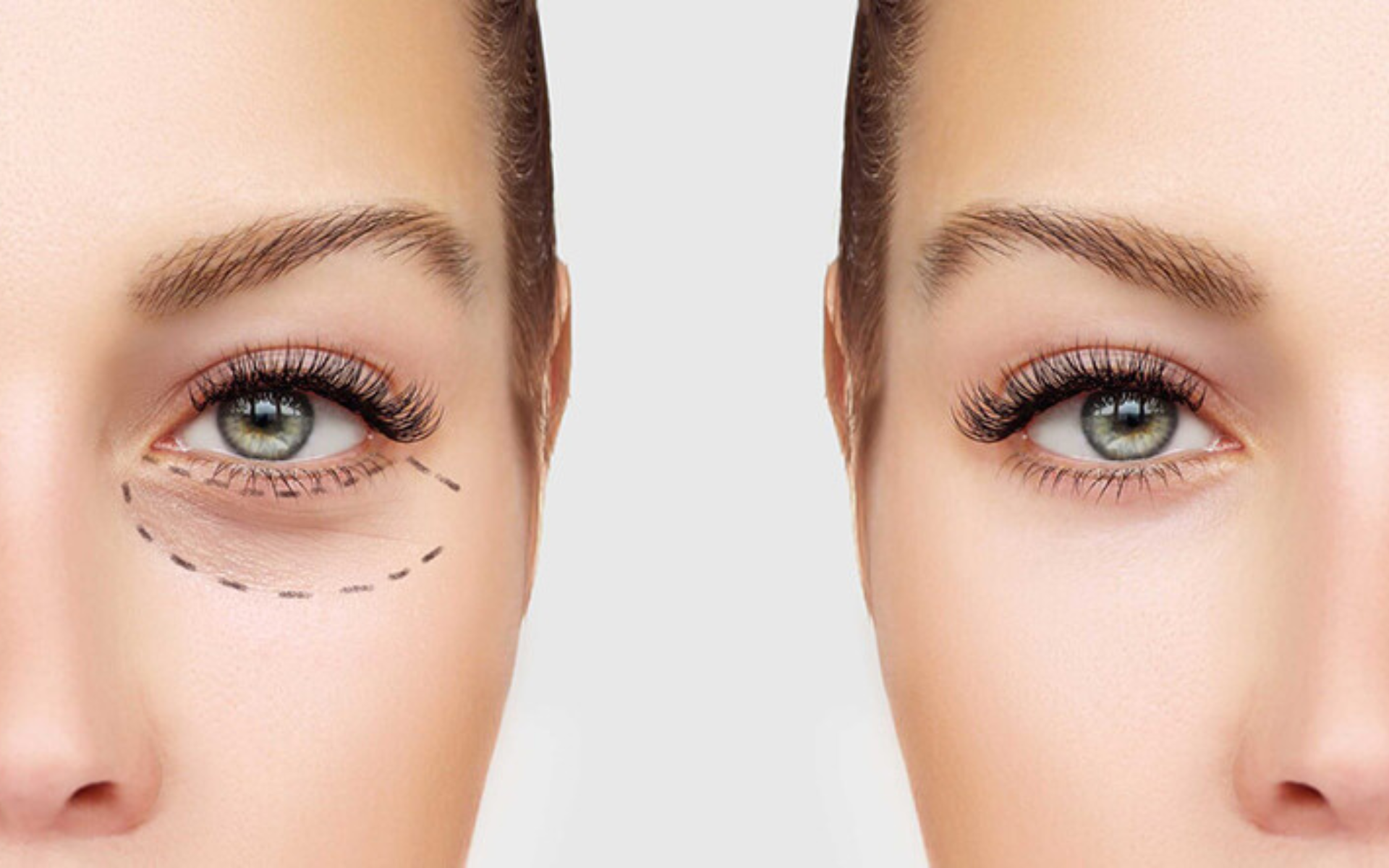
Blepharoplasty: How Eyelid Surgery Can Restore a Fresh, Youthful Look
The eyes can reveal signs of aging even when the rest of the face looks youthful. Excess eyelid skin, under-eye puffiness, and fatty deposits can create a tired or aged appearance. In some cases, excess upper eyelid skin may even affect the field of vision.
Blepharoplasty, or eyelid surgery, is designed to address these concerns by carefully reshaping the tissues around the eyes while maintaining the patient’s natural facial appearance.
In this blog, Dr. Rakesh Tawar explains how blepharoplasty works, the concerns it can address, and what patients can expect from the procedure.
What Changes Around the Eyes With Age?
As we age, several changes can occur around the eyes:
- Skin gradually loses elasticity
- Upper eyelid skin may become loose or heavy
- Fat can create under-eye bags or puffiness
- Fine lines may become more noticeable
- The eyebrows and surrounding tissues may gradually descend
These changes can make the eyes appear tired even after adequate rest.
What Does Blepharoplasty Correct?
Blepharoplasty can be customized according to the patient’s anatomy and concerns.
Upper Eyelid Blepharoplasty
This procedure focuses on excess skin and tissue around the upper eyelids.
It may help:
- Reduce heavy or droopy eyelids
- Improve eyelid definition
- Create a more refreshed appearance
- Improve peripheral vision when excess skin is obstructing it
Lower Eyelid Blepharoplasty
Lower eyelid surgery primarily addresses bags and puffiness beneath the eyes.
It may involve:
- Removing or repositioning excess fat
- Addressing loose skin
- Improving the transition between the lower eyelid and cheek
Why Natural-Looking Results Matter
The goal of modern eyelid surgery is not to make the eyes look dramatically different. Instead, the procedure focuses on preserving natural expressions while creating a fresher and more rested appearance.
A personalized surgical plan considers:
- Facial proportions
- Eyelid structure
- Skin quality
- Amount of excess tissue
- Overall aesthetic goals
What is the Recovery Like?
Recovery varies depending on whether upper eyelid surgery, lower eyelid surgery, or both are performed.
Patients may experience:
- Temporary swelling
- Bruising around the eyes
- Mild tightness or discomfort
- Temporary dryness or sensitivity
Most patients can gradually return to normal activities as healing progresses, while complete refinement of the results may take longer.
Who May Consider Blepharoplasty?
You may be a suitable candidate if you:
- Have excess upper eyelid skin
- Have persistent under-eye bags
- Feel your eyes appear tired or aged
- Have realistic expectations
- Are in suitable overall health for surgery
A consultation is important to determine whether eyelid surgery is appropriate for your concerns.
Final Thoughts
Blepharoplasty is more than simply removing excess eyelid skin. When carefully planned, it can restore definition around the eyes, reduce a tired appearance, and create a refreshed look while maintaining your natural facial character.
For patients considering eyelid surgery, an individualized assessment with an experienced plastic surgeon is the best way to understand the available options and expected results.

Post a comment