
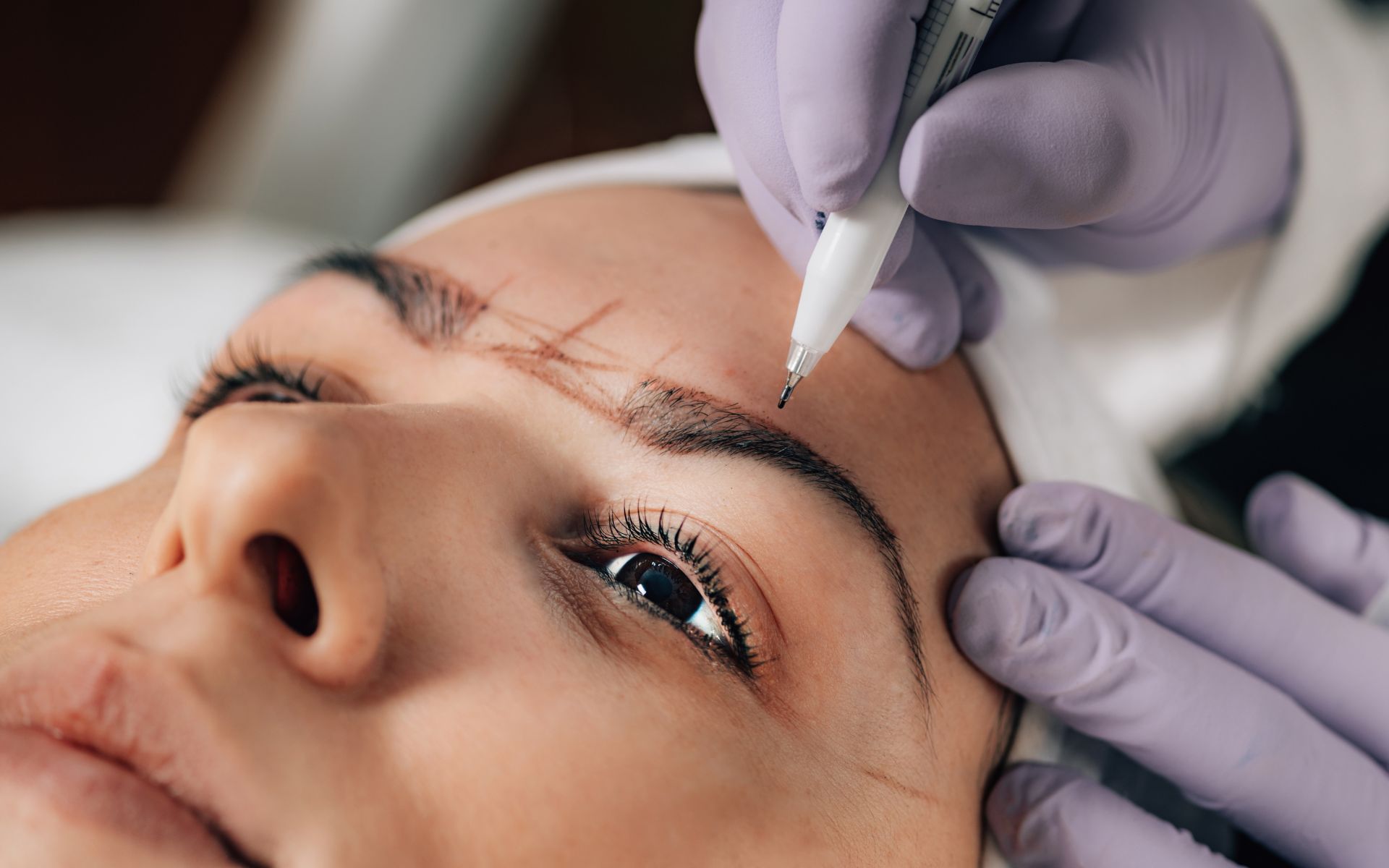
Brow Lift Surgery: Advanced Guide to Techniques, Facial Balance, Recovery & Natural Results
A youthful face is not determined by one feature alone. The position of the eyebrows, forehead, eyelids and upper facial tissues all contribute to facial expression and harmony. When the brows gradually descend with age, the upper face can appear tired, heavy or even stern.
Brow lift surgery, also called forehead lift surgery, is designed to reposition sagging brow tissues and improve the appearance of the upper third of the face. It can address concerns such as forehead wrinkles, drooping eyebrows and excess skin around the upper eyelid area.
However, modern brow lift surgery is not simply about pulling the eyebrows upward. The goal is to achieve appropriate brow positioning while maintaining natural facial expressions and facial proportions.
What Causes Brow Drooping?
Several factors can contribute to brow descent:
- Natural aging and loss of tissue elasticity
Reduced collagen and skin elasticity
- Repeated facial expressions
- Changes in forehead and temple tissues
- Genetic facial structure
- Volume changes associated with aging
As the brow descends, it can also create the appearance of heavier upper eyelids. This is why some patients may benefit from a brow lift alone, while others may require an individualized combination of facial procedures.
When Should You Consider a Brow Lift?
A brow lift may be considered when you experience:
- Low or drooping eyebrows
- Deep horizontal forehead lines
- Frown lines between the eyebrows
- A tired or angry facial appearance
- Hooding caused partly by brow descent
- Loss of definition in the upper face
Importantly, not everyone with forehead wrinkles requires surgery. A consultation helps determine whether the concern originates primarily from the brow, eyelids, skin, or a combination of these structures.
Different Brow Lift Techniques:
The appropriate technique depends on facial anatomy, degree of brow descent, hairline, skin laxity and the desired degree of correction.
1. Endoscopic Brow Lift:
An endoscopic brow lift uses small incisions and an endoscope to reposition tissues. It may provide reduced visible scarring and relatively limited surgical access compared with traditional techniques.
Dr. Tawar’s existing educational content notes that endoscopic techniques can be particularly useful for mild to moderate brow sagging.
2. Traditional or Coronal Brow Lift:
A traditional brow lift involves a longer incision across the scalp and can provide broader access for significant forehead and brow changes.
3. Temporal Brow Lift:
A temporal or lateral brow lift primarily addresses the outer portion of the eyebrow and can be considered when lateral brow descent is the main concern.
4. Pretrichial or Hairline Brow Lift:
This technique places the incision near the hairline and may be considered in selected patients depending on forehead height and hairline characteristics.
Dr. Tawar’s service page describes several brow lift approaches, including endoscopic, coronal, temporal, midforehead and pretrichial techniques.
Brow Lift vs Blepharoplasty: What’s the Difference?
This is one of the most important questions patients ask.
Brow lift primarily addresses the position of the eyebrows and forehead tissues.
Blepharoplasty focuses on excess eyelid skin and/or fat around the upper or lower eyelids.
In some patients, these concerns overlap. A drooping brow can contribute to upper eyelid hooding, so treating the eyelid without evaluating brow position may not provide the desired overall result.
Can Brow Lift Surgery Be Combined With Other Procedures?
Yes. Depending on the patient’s anatomy and goals, brow lift surgery may be combined with procedures such as:
- Blepharoplasty
- Facelift
- Facial fat grafting
- Other facial rejuvenation procedures
The objective should be facial harmony rather than simply performing more procedures.
What Is Brow Lift Recovery Like?
Recovery varies according to the technique used and the individual’s healing response.
Patients can generally expect:
- Temporary swelling
- Bruising around the forehead or eyes
- Mild discomfort or tightness
- Temporary numbness in some areas
- Gradual reduction in swelling over the following weeks
Dr. Tawar’s service information notes that many patients can return to normal activities within approximately one to two weeks, although complete resolution of swelling may take longer.
How Long Do Brow Lift Results Last?
Brow lift results are long-lasting, but they do not stop the natural aging process. Over time, tissues continue to change.
Maintaining a stable weight, protecting the skin from excessive sun exposure and following appropriate skincare can help support long-term facial appearance.
Why Individualized Planning Matters?
There is no single brow position that looks ideal on every face. The correct brow height and shape depend on:
- Facial proportions
- Eye shape
- Forehead dimensions
- Hairline
- Skin elasticity
- Age-related changes
- Gender-related aesthetic considerations
- Patient expectations
The objective is not an excessively elevated or surprised appearance, but a balanced and natural-looking upper face.
Final Takeaway:
Brow lift surgery can address several signs of upper-face aging, but selecting the appropriate technique is more important than simply choosing the most popular procedure.
A detailed consultation with a qualified plastic surgeon can determine whether an endoscopic, traditional or another brow lift technique is appropriate for your facial anatomy and aesthetic goals.
If you are considering Brow Lift Surgery in Dehradun, consult Dr. Rakesh Tawar for an individualized facial assessment and treatment plan.

Post a comment