
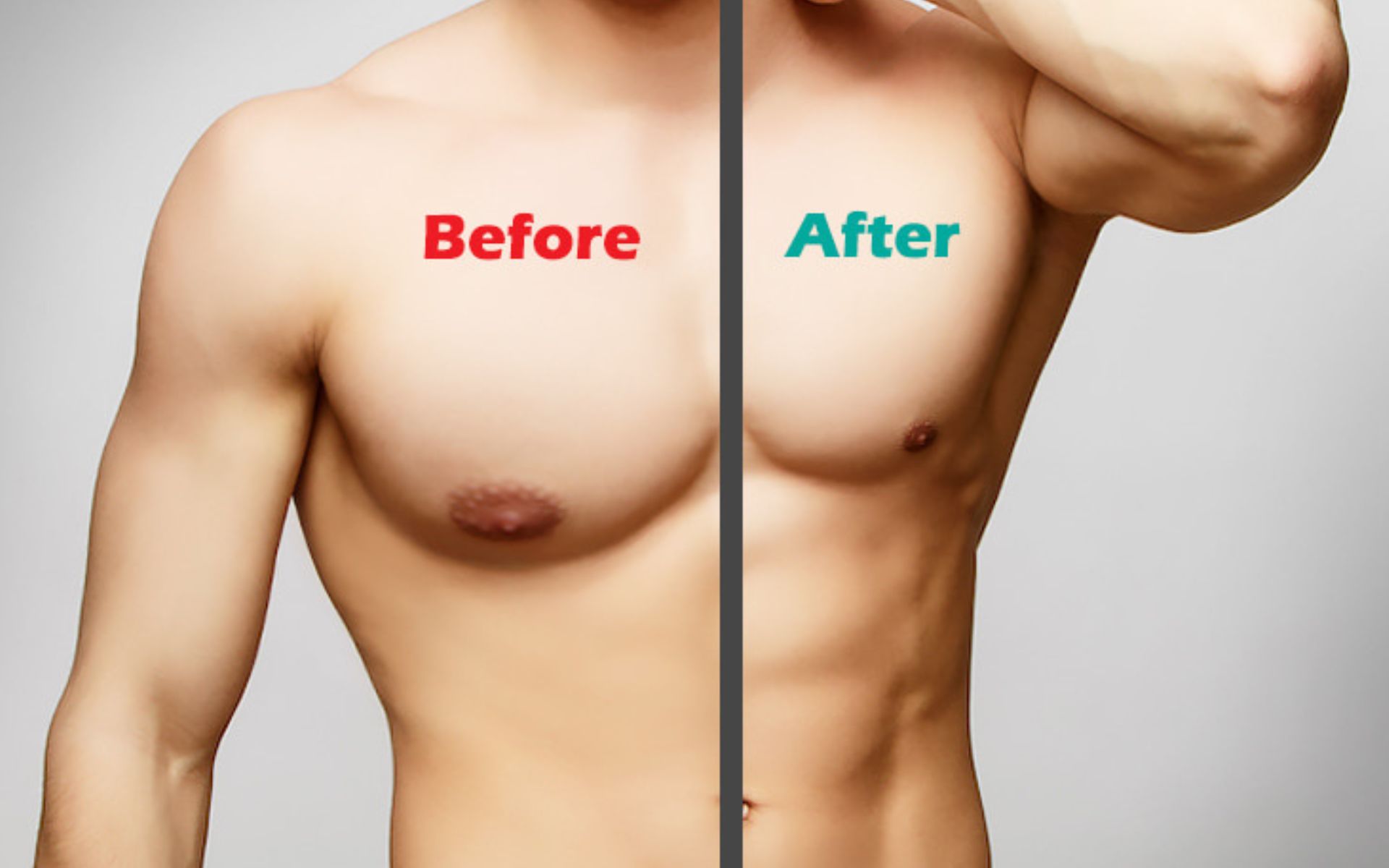
Gynecomastia Surgery: Everything You Need to Know About Male Breast Reduction
Many men struggle with enlarged breast tissue, a condition known as gynecomastia. While it is not usually a serious medical problem, it can affect self-confidence, body image, and emotional well-being. Men with gynecomastia often avoid wearing fitted clothes, participating in sports, or swimming due to embarrassment.
The good news is that gynecomastia can be treated effectively with surgery. Modern male breast reduction procedures offer safe, long-lasting, and natural-looking results.
What Is Gynecomastia?
Gynecomastia is the enlargement of breast tissue in males caused by hormonal imbalance, excess glandular tissue, or fat accumulation. It can affect one or both breasts and may occur at any age.
Unlike chest fat caused by obesity (pseudo-gynecomastia), true gynecomastia involves enlarged glandular tissue that usually does not improve with exercise alone.
Common Causes of Gynecomastia
Several factors can contribute to gynecomastia, including:
- Hormonal imbalance between estrogen and testosterone
- Puberty-related hormonal changes
- Aging
- Obesity
- Certain medications
- Steroid use
- Liver or kidney disease
- Thyroid disorders
- Excessive alcohol consumption
In some cases, the exact cause remains unknown.
Symptoms of Gynecomastia
You may have gynecomastia if you notice:
- Enlarged male breasts
- Firm tissue beneath the nipple
- Tenderness or mild pain
- Uneven breast size
- Reduced confidence in appearance
If the enlargement is persistent or causes discomfort, consult a qualified plastic surgeon for evaluation.
When Should You Consider Surgery?
Surgery may be the best option if:
- Enlarged breasts remain despite exercise and weight loss.
- The condition has persisted for more than a year.
- You experience physical discomfort.
- You feel self-conscious about your appearance.
- The condition affects your confidence or daily activities.
How Is Gynecomastia Surgery Performed?
The surgical approach depends on the amount of glandular tissue, fat, and excess skin.
Liposuction
If excess fat is the primary issue, liposuction removes unwanted fat through small incisions.
Gland Excision
If firm glandular tissue is present, it is surgically removed to create a flatter, firmer chest.
Combination Technique
Most patients benefit from a combination of liposuction and gland removal to achieve the most natural chest contour.
The procedure is generally performed under anesthesia and usually takes 1–2 hours.
Recovery After Gynecomastia Surgery
Recovery is usually smooth with proper post-operative care.
Patients are generally advised to:
- Wear a compression garment for several weeks.
- Avoid strenuous exercise for about 3–4 weeks.
- Take prescribed medications as directed.
- Attend follow-up appointments.
- Maintain a healthy lifestyle.
Most individuals can return to office work within a few days, while complete healing continues over several weeks.
Benefits of Gynecomastia Surgery
Male breast reduction offers several long-term benefits:
- Flatter, more masculine chest
- Improved body proportions
- Better confidence and self-esteem
- Easier participation in sports and fitness activities
- Better clothing fit
- Long-lasting results when combined with a healthy lifestyle
Are the Results Permanent?
Yes. The glandular tissue removed during surgery does not grow back. However, maintaining a stable weight and avoiding anabolic steroids or medications that may trigger hormonal imbalance helps preserve the results.
Is Gynecomastia Surgery Safe?
When performed by an experienced plastic surgeon, gynecomastia surgery is considered safe and highly effective. Like any surgical procedure, there are potential risks, but careful evaluation, proper surgical planning, and following post-operative instructions significantly reduce complications.
Tips to Maintain Your Results
To enjoy long-lasting outcomes:
- Exercise regularly.
- Maintain a healthy body weight.
- Eat a balanced diet.
- Avoid anabolic steroids.
- Limit alcohol consumption.
- Attend regular follow-up visits if recommended.
Final Thoughts
Gynecomastia is a common condition that can impact both physical appearance and emotional confidence. Fortunately, modern male breast reduction surgery provides a safe and effective solution for achieving a flatter, firmer, and more masculine chest.
If enlarged male breasts are affecting your confidence or quality of life, consulting an experienced plastic surgeon can help you understand your treatment options and determine the most suitable approach for your needs.
Frequently Asked Questions (FAQs)
1. Is gynecomastia surgery painful?
The procedure is performed under anesthesia, and post-operative discomfort is usually mild and manageable with prescribed medication.
2. Will there be visible scars?
Incisions are small and strategically placed, making scars minimal and less noticeable over time.
3. Can gynecomastia return after surgery?
Recurrence is uncommon if the glandular tissue is completely removed and a healthy lifestyle is maintained.
4. How soon can I exercise after surgery?
Light walking can begin within a few days, while strenuous exercise should generally be avoided for about 3–4 weeks or as advised by your surgeon.
5. Who is a good candidate for gynecomastia surgery?
Healthy men with persistent enlarged breast tissue, stable body weight, and realistic expectations are typically good candidates.

Post a comment