
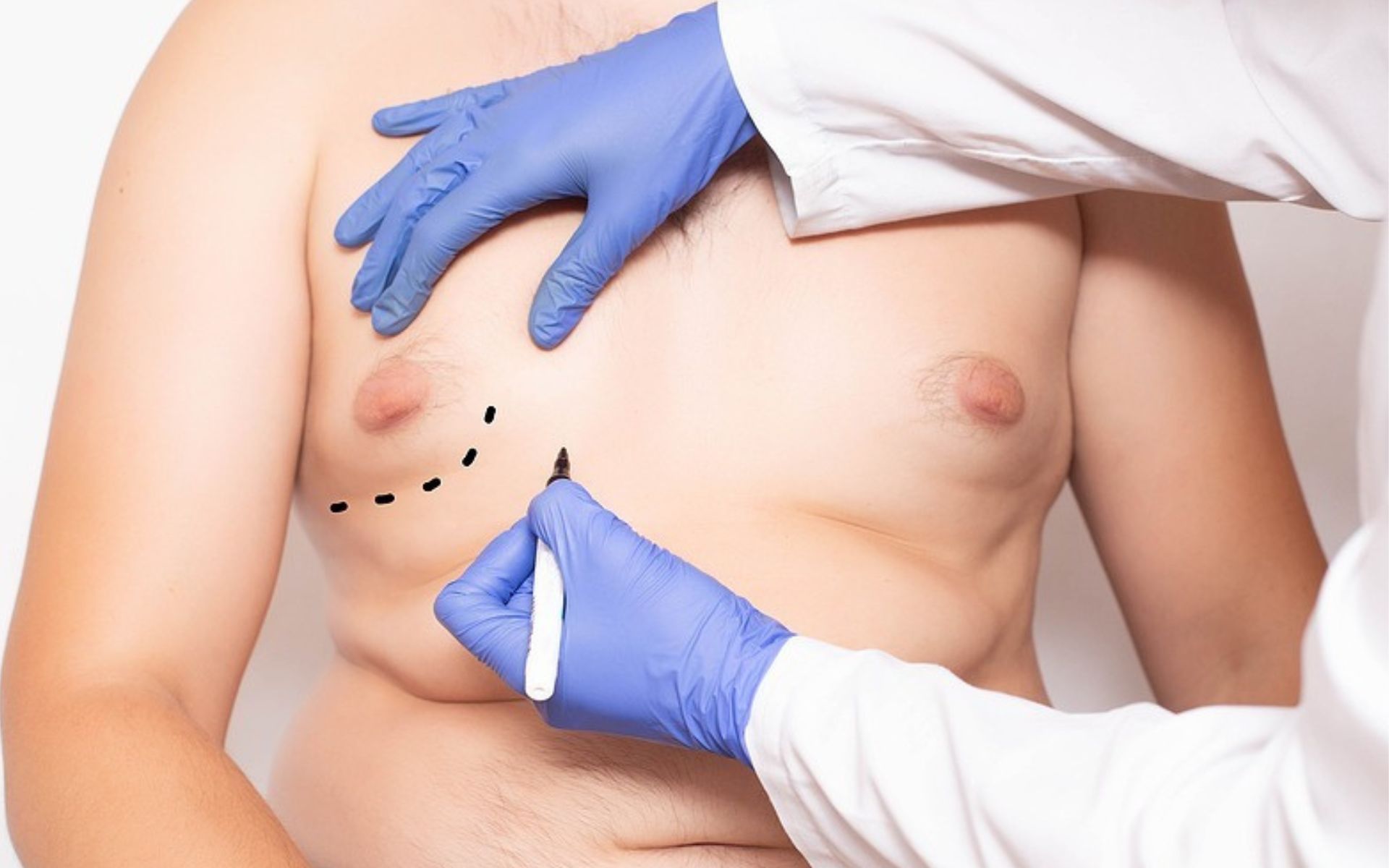
Gynecomastia vs Chest Fat: Understanding the Difference and Finding the Right Treatment
Many men notice excess fullness in their chest area and assume it is simply fat. However, the cause may be gynecomastia, a condition involving enlarged glandular breast tissue.
Understanding the difference is important for choosing the right treatment.
In this blog, Dr. Rakesh Tawar explains how to distinguish gynecomastia from chest fat and the available treatment options.
What is Gynecomastia?
Gynecomastia is the enlargement of male breast tissue caused by hormonal changes, genetics, medications, or other factors.
It may involve:
- Enlarged glandular tissue
- Puffy nipples
- Tenderness in the chest
What is Chest Fat?
Chest fat, also known as pseudogynecomastia, occurs due to excess fat accumulation in the chest area.
It is often associated with:
- Weight gain
- Obesity
- Lack of physical activity
Key Differences
Gynecomastia
- Firm glandular tissue
- Often resistant to exercise
- May require surgery
Chest Fat
- Soft fatty tissue
- Can improve with weight loss
- Often responds to exercise
Treatment Options
Lifestyle Changes
- Diet and exercise
Liposuction
- Removes excess chest fat
Gynecomastia Surgery
- Removes glandular tissue
- Creates a flatter chest contour
Who is an Ideal Candidate for Surgery?
You may benefit if you:
- Have persistent chest enlargement
- Do not see improvement with exercise
- Are physically healthy
- Have realistic expectations
Final Thoughts
Determining whether chest fullness is caused by fat or glandular tissue is the first step toward effective treatment. A professional evaluation can help identify the most suitable solution.

Post a comment