
Hair Transplant Surgery: Everything You Need to Know Before the Procedure
Hair loss is a common concern that affects both men and women. It can impact self-confidence, appearance, and overall quality of life. While medications may slow hair loss, they cannot always restore lost hair. A hair transplant is one of the most effective and long-lasting solutions for people experiencing permanent hair loss.
This guide explains how hair transplant surgery works, who is an ideal candidate, what to expect during recovery, and how the procedure can help restore natural-looking hair.
What Is a Hair Transplant?
A hair transplant is a cosmetic surgical procedure in which healthy hair follicles are taken from a donor area—usually the back or sides of the scalp—and transplanted into areas experiencing hair thinning or baldness.
Since the transplanted follicles are resistant to hair loss, they continue to grow naturally in their new location, providing permanent and natural-looking results.
Who Can Benefit from a Hair Transplant?
Hair transplant surgery may be suitable for:
- Men with male pattern baldness
- Women with thinning hair
- Individuals with a receding hairline
- People with patchy hair loss
- Patients with hair loss due to scars or injury
- Individuals looking to improve hair density
A consultation with an experienced plastic surgeon helps determine whether you are a suitable candidate.
Common Causes of Hair Loss
Several factors contribute to hair loss, including:
- Genetics
- Hormonal changes
- Aging
- Stress
- Nutritional deficiencies
- Certain medical conditions
- Previous injuries or burns
Identifying the cause helps determine the most appropriate treatment plan.
Types of Hair Transplant Techniques
FUE (Follicular Unit Extraction)
This modern technique involves extracting individual hair follicles and implanting them into the recipient area.
Benefits include:
- Minimal scarring
- Faster recovery
- Less discomfort
- Natural-looking results
FUT (Follicular Unit Transplantation)
A strip of scalp is removed from the donor area, and follicles are separated before transplantation.
This technique may be recommended for patients requiring a larger number of grafts.
What Happens During the Procedure?
The procedure generally involves:
- Consultation and scalp evaluation
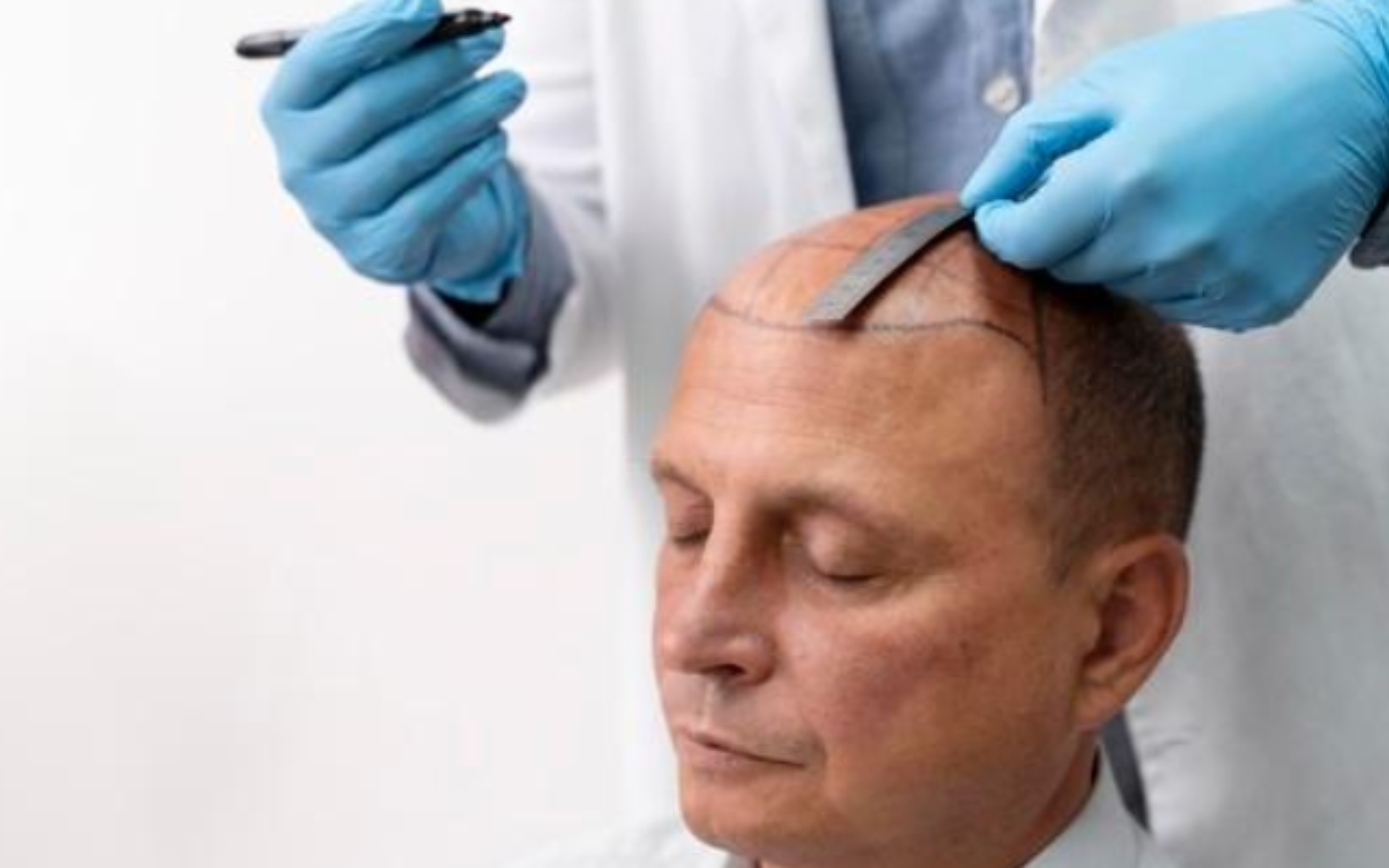
- Hairline planning
- Administration of local anesthesia
- Harvesting healthy hair follicles
- Creating tiny recipient sites
- Implanting hair follicles carefully
- Post-procedure instructions
Most procedures are completed in a single day, depending on the number of grafts required.
Recovery After Hair Transplant
Recovery is generally smooth when post-operative instructions are followed.
Patients may experience:
- Mild swelling
- Slight redness
- Temporary scabbing
- Minor discomfort
Most individuals return to routine activities within a few days, although strenuous exercise should be avoided for the recommended period.
When Will You See Results?
Hair growth occurs gradually.
Typical timeline:
- 2–4 weeks: Transplanted hairs may shed (normal process).
- 3–4 months: New hair growth begins.
- 6–9 months: Noticeable improvement.
- 12–18 months: Final results become visible.
Patience is essential, as natural hair growth takes time.
Benefits of Hair Transplant Surgery
Hair transplantation offers several advantages:
- Permanent hair restoration
- Natural appearance
- Improved confidence
- Minimal maintenance
- Long-lasting results
- Better hair density
- Personalized hairline design
Tips for Maintaining Healthy Hair
To protect your results:
- Eat a balanced diet rich in protein and vitamins.
- Avoid smoking.
- Manage stress.
- Follow your surgeon’s instructions.
- Use gentle hair care products.
- Attend follow-up appointments.
Why Choose Dr. Rakesh Tawar?
Dr. Rakesh Tawar is an experienced plastic and reconstructive surgeon committed to delivering natural-looking hair restoration results. Every treatment plan is customized based on the patient’s hair loss pattern, facial proportions, and aesthetic goals to achieve safe, effective, and long-lasting outcomes.
Final Thoughts
Hair loss does not have to be permanent. Modern hair transplant techniques provide a reliable solution for restoring hair density and confidence. If you are considering hair restoration, consulting an experienced plastic surgeon is the first step toward achieving natural and lasting results.
Schedule a consultation with Dr. Rakesh Tawar to learn whether a hair transplant is the right option for you.

Post a comment