
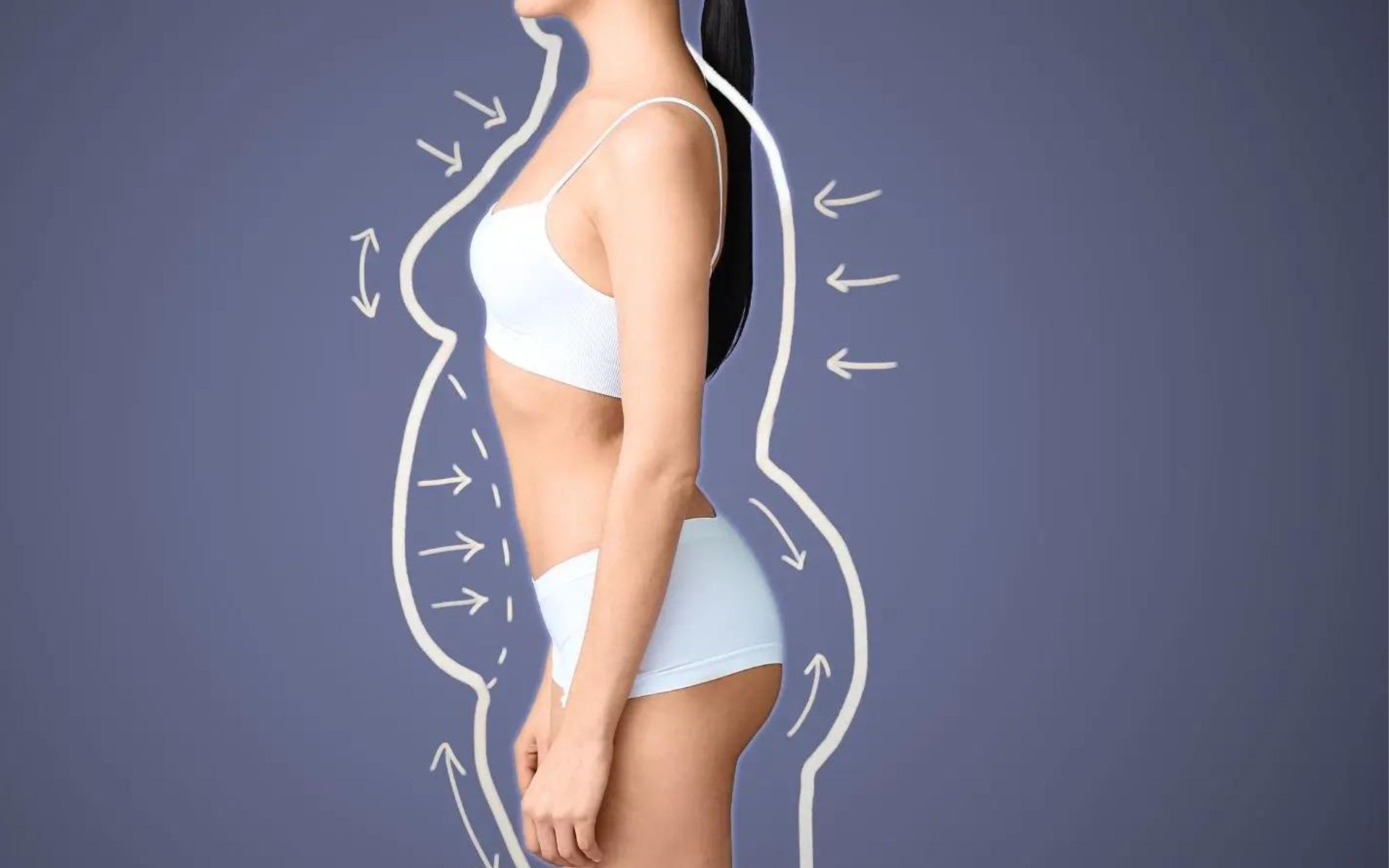
Post-Weight-Loss Body Contouring: How to Remove Excess Skin and Achieve a Sculpted Shape
Achieving significant weight loss is an important accomplishment. However, many people discover that reaching their target weight does not always result in the body contour they expected.
After substantial weight loss, the skin may remain stretched and unable to contract completely.
This can result in excess skin around the:
- Abdomen
- Arms
- Thighs
- Breasts
- Back
- Waist
- Lower body
Post-weight-loss body contouring in Dehradun can help selected patients address these concerns after achieving a stable weight.
Why Does Loose Skin Remain After Weight Loss?
Skin has natural elasticity, but significant or prolonged stretching can reduce its ability to retract.
Factors affecting skin elasticity include:
- Age
- Genetics
- Amount of weight lost
- Speed of weight loss
- Duration of obesity
- Skin quality
- Sun exposure
This is why two people who lose the same amount of weight may have very different amounts of excess skin.
Can Exercise Remove Loose Skin?
Exercise can strengthen underlying muscles and improve body composition, but it cannot remove significant excess skin.
Building muscle may improve the overall contour, but stretched skin may remain.
When excess skin becomes substantial, surgical body contouring may be considered.
What Procedures Are Used After Weight Loss?
There is no single body-contouring procedure suitable for everyone.
Tummy Tuck:
A tummy tuck can remove excess abdominal skin and improve abdominal contour.
Arm Lift:
An arm lift, or brachioplasty, can remove excess skin from the upper arms.
Thigh Lift:
A thigh lift may address excess skin affecting the inner or outer thighs.
Lower Body Lift:
A lower body lift can address excess tissue around multiple areas of the lower trunk and may be considered after significant weight loss.
Breast Lift or Breast Surgery:
Weight loss can cause loss of breast volume and skin laxity. Depending on the anatomy, breast lift, augmentation or reduction may be considered.
Liposuction vs Loose Skin Removal:
This is an important distinction.
Liposuction removes fat.
Body-contouring surgery removes excess skin and reshapes tissues.
Some post-weight-loss patients have both residual fat and loose skin. In selected cases, liposuction may be incorporated into a broader body-contouring plan.
When Is the Right Time for Body Contouring?
Body contouring is generally considered after weight has become relatively stable.
If substantial weight loss is still expected, it may be better to discuss timing with your surgeon before undergoing skin-removal surgery.
Stable weight can help provide more predictable long-term results.
What Happens During a Consultation?
A comprehensive consultation may evaluate:
- Current weight and weight history
- Amount and location of excess skin
- Skin quality
- Residual fat
- Overall health
- Previous surgeries
- Future weight-loss plans
- Desired body proportions
The surgeon can then determine which procedure or combination of procedures may be appropriate.
Can Multiple Procedures Be Performed Together?
In selected patients, multiple body-contouring procedures may be combined.
However, combining procedures can increase operative complexity and recovery requirements.
Safety and individual medical suitability should always take priority over performing multiple procedures at once.
Recovery After Body Contouring
Recovery depends on the procedure or combination of procedures performed.
Patients may experience:
- Swelling
- Bruising
- Tightness
- Temporary discomfort
- Reduced mobility initially
Recovery instructions may include:
- Wearing compression garments
- Caring for surgical incisions
- Gradually increasing activity
- Avoiding strenuous exercise initially
- Attending follow-up appointments
Your surgeon will provide personalized postoperative instructions.
What Results Can You Expect?
Body contouring can improve:
- Body proportions
- Skin contour
- Clothing fit
- Definition of treated areas
- Overall body silhouette
However, body contouring is not a substitute for maintaining a healthy lifestyle.
Significant future weight changes can alter the results.
Is Body Contouring a Weight-Loss Procedure?
No.
Body contouring is intended to reshape the body after weight loss. It should not be considered an alternative to weight-management treatment.
Frequently Asked Questions:
How much weight should I lose before body contouring?
There is no universal number. The appropriate timing depends on your individual weight, health and whether further weight loss is expected.
Can loose skin disappear naturally?
Some mild skin laxity may improve over time, but substantial excess skin may persist.
Is liposuction enough after major weight loss?
Not necessarily. If significant loose skin is present, skin-removal surgery may be required.
Can body contouring remove all loose skin?
The amount of correction depends on anatomy, skin quality and the procedure performed. Your surgeon can explain realistic expectations during consultation.
Are body-contouring results permanent?
The removed skin does not grow back, but aging and future weight changes can affect the body’s appearance.
Final Takeaway:
Major weight loss can leave behind excess skin that diet and exercise cannot fully address. Post-weight-loss body contouring in Dehradun can provide a customized approach to improving areas such as the abdomen, arms, thighs, breasts and lower body.
The best treatment plan depends on the amount of excess skin, residual fat, skin quality and overall body proportions.
A consultation with Dr. Rakesh Tawar can help you understand which body-contouring procedure is appropriate for your post-weight-loss goals.

Post a comment