Rhinoplasty Surgery: Benefits, Procedure, Recovery, and Expected Results
The nose is one of the most prominent features of the face, playing a vital role in both appearance and breathing. Whether you’re looking to improve the shape of your nose, correct a birth defect, repair an injury, or resolve breathing difficulties, rhinoplasty surgery can provide both cosmetic and functional benefits.
Also known as a nose reshaping surgery or nose job, rhinoplasty is one of the most commonly performed plastic surgery procedures worldwide. When performed by an experienced plastic surgeon, it can create a balanced facial profile while preserving your unique features.
In this blog, Dr. Rakesh Tawar explains everything you need to know about rhinoplasty surgery, including its benefits, procedure, recovery process, expected results, and who is an ideal candidate.
What is Rhinoplasty Surgery?
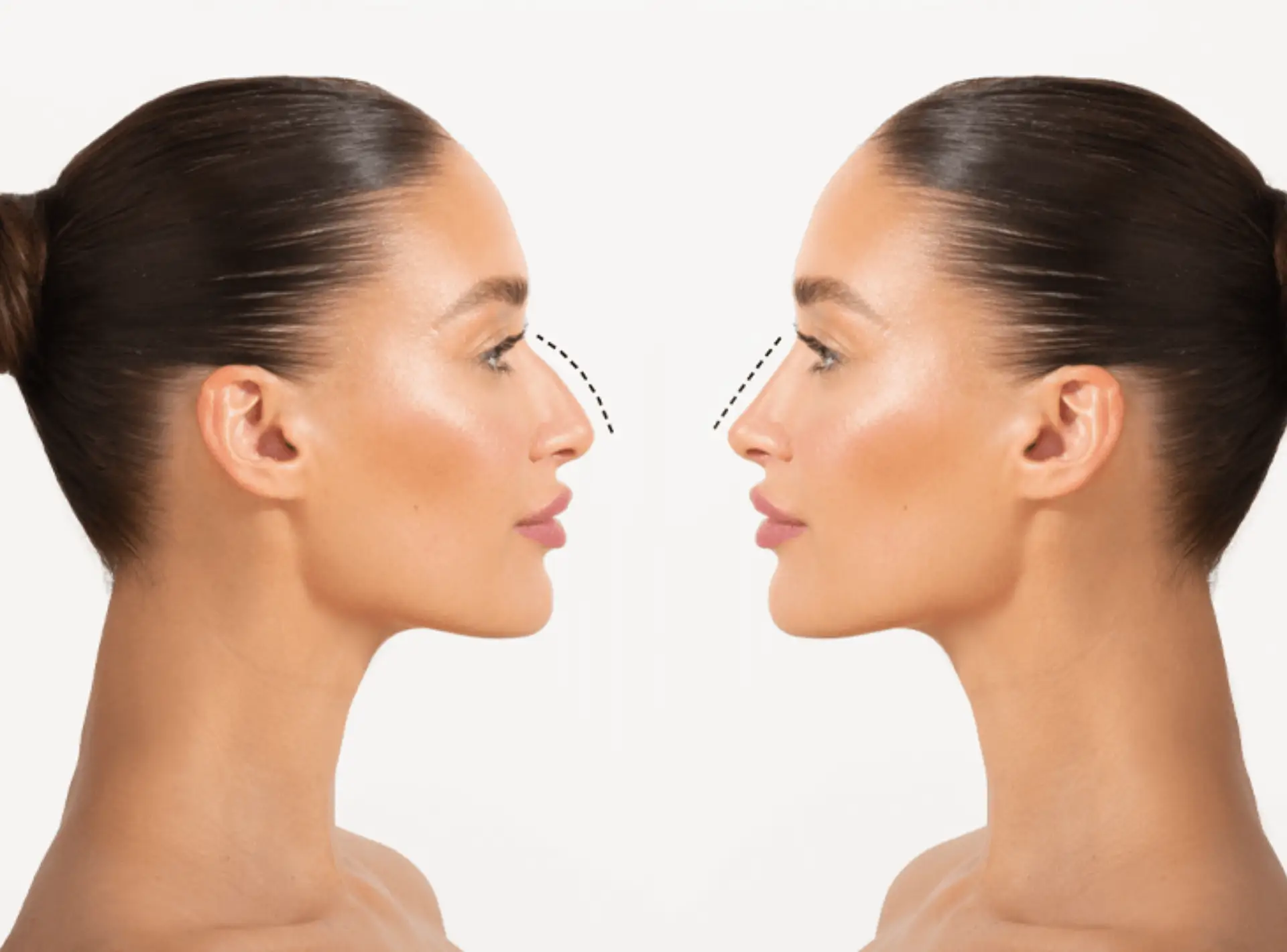
Rhinoplasty is a surgical procedure that changes the shape, size, or structure of the nose. It can be performed for cosmetic reasons, functional improvements, or a combination of both.
The surgery involves reshaping the nasal bone, cartilage, or soft tissue to achieve a more proportionate and natural-looking nose while improving nasal function.
Rhinoplasty can help correct:
- Crooked or asymmetrical nose
- Prominent nasal hump
- Wide or flared nostrils
- Bulbous or drooping nasal tip
- Nose that appears too large or too small
- Birth defects affecting the nose
- Breathing problems caused by a deviated septum
- Nasal injuries or fractures
Types of Rhinoplasty
The type of rhinoplasty recommended depends on your individual concerns and treatment goals.
Cosmetic Rhinoplasty
Performed to improve the appearance of the nose by enhancing facial harmony.
Common goals include:
- Refining the nasal tip
- Reducing a nasal hump
- Narrowing the bridge
- Improving facial balance
Functional Rhinoplasty
This procedure focuses on improving breathing by correcting structural abnormalities within the nose.
It is commonly recommended for patients with:
- Deviated septum
- Nasal obstruction
- Difficulty breathing
- Previous nasal trauma
Revision Rhinoplasty
Revision rhinoplasty is performed to improve or correct the results of a previous nose surgery.
It is often more complex and requires advanced surgical expertise.
Benefits of Rhinoplasty Surgery
Rhinoplasty offers both aesthetic and functional advantages.
1. Improves Facial Balance
The nose is the central feature of the face. Even small refinements can significantly improve facial harmony.
2. Enhances Breathing
Correcting structural issues inside the nose can improve airflow and reduce breathing difficulties.
3. Boosts Self-Confidence
Many patients feel more comfortable and confident after achieving a nose shape that complements their facial features.
4. Corrects Birth Defects and Injuries
Rhinoplasty can restore the appearance and function of the nose after trauma or congenital abnormalities.
5. Provides Long-Lasting Results
Once healing is complete, the results of rhinoplasty are generally permanent.
Who is an Ideal Candidate for Rhinoplasty?
You may be a suitable candidate if you:
- Are unhappy with the appearance of your nose
- Have breathing problems
- Have a fully developed nose (usually after age 16–18)
- Are physically healthy
- Do not smoke or are willing to stop before surgery
- Have realistic expectations about the outcome
How is Rhinoplasty Performed?
Rhinoplasty is usually performed under general anesthesia and typically takes 2 to 4 hours, depending on the complexity of the procedure.
Step 1: Consultation
Your surgeon evaluates:
- Facial proportions
- Skin quality
- Nasal structure
- Medical history
- Treatment goals
A personalized surgical plan is created.
Step 2: Anesthesia
General anesthesia or local anesthesia with sedation is administered to ensure comfort throughout the procedure.
Step 3: Surgical Technique
Depending on your case, your surgeon may perform:
Closed Rhinoplasty
- Incisions are made inside the nostrils
- No visible external scars
- Suitable for minor reshaping
Open Rhinoplasty
- Small incision made across the columella (between the nostrils)
- Provides better visibility for complex corrections
- Minimal, well-hidden scar
Step 4: Reshaping the Nose
The surgeon may:
- Remove excess bone
- Reshape cartilage
- Refine the nasal tip
- Narrow the nasal bridge
- Straighten the septum
- Improve airway function
Step 5: Closing the Incisions
Incisions are closed with fine sutures, and a protective splint is placed over the nose to support healing.
Recovery & Aftercare
Recovery is gradual, and patience is essential to achieve the best outcome.
What to Expect After Surgery
First Week
- Mild swelling and bruising
- Nasal splint remains in place
- Slight congestion is common
Weeks 2–4
- Bruising begins to fade
- Most swelling decreases
- Return to light daily activities
One to Three Months
- Nose starts taking its final shape
- Breathing continues to improve
Six to Twelve Months
- Final results become fully visible
- Remaining swelling resolves completely
Recovery Tips
For a smooth recovery:
- Sleep with your head elevated
- Avoid blowing your nose
- Avoid strenuous exercise for several weeks
- Wear loose-fitting clothing
- Protect your nose from accidental injury
- Attend all follow-up appointments
- Follow your surgeon’s instructions carefully
Are There Any Risks?
Like any surgical procedure, rhinoplasty carries some risks.
These may include:
- Temporary swelling
- Bruising
- Mild bleeding
- Infection (rare)
- Breathing changes
- Asymmetry
- Need for revision surgery in some cases
Choosing a qualified and experienced plastic surgeon significantly minimizes these risks.
Expected Results
Most patients notice a significant improvement in both appearance and breathing after recovery.
You can expect:
- Better facial balance
- Natural-looking nose shape
- Improved breathing
- Enhanced facial profile
- Long-lasting results
The goal of rhinoplasty is not to create a “perfect” nose but one that complements your facial features naturally.
Why Choose Dr. Rakesh Tawar for Rhinoplasty?
Dr. Rakesh Tawar combines surgical precision with an artistic approach to deliver natural-looking results that enhance each patient’s unique facial features.
Patients choose Dr. Tawar because of:
- Expertise in cosmetic and reconstructive rhinoplasty
- Personalized treatment planning
- Advanced surgical techniques
- Focus on natural-looking outcomes
- Comprehensive pre- and post-operative care
Every rhinoplasty procedure is customized to meet the patient’s aesthetic goals while preserving or improving nasal function.
Frequently Asked Questions (FAQs)
Is rhinoplasty painful?
The procedure is performed under anesthesia, so you won’t feel pain during surgery. Mild discomfort after surgery is manageable with prescribed medication.
How long does rhinoplasty surgery take?
Most procedures take between 2 and 4 hours, depending on the complexity.
When can I return to work?
Most patients return to work within 7–10 days, depending on the nature of their job.
Will there be visible scars?
Closed rhinoplasty leaves no visible scars. Open rhinoplasty involves a very small incision that usually heals well and becomes barely noticeable.
Are rhinoplasty results permanent?
Yes. Once healing is complete, the structural changes are permanent, although the natural aging process continues.
Final Thoughts
Rhinoplasty is more than a cosmetic procedure—it is a combination of science, precision, and artistry. Whether your goal is to improve facial balance, enhance breathing, or correct a previous injury, rhinoplasty can deliver life-changing results.
With proper planning, advanced surgical techniques, and expert care, you can achieve a nose that looks natural, functions well, and complements your overall facial appearance.
Post a comment