Rhinoplasty vs Septorhinoplasty: Cosmetic Nose Reshaping or Breathing Correction?
The nose has both an aesthetic and functional role.
It contributes significantly to facial balance while also serving as an important part of the respiratory system.
This is why some patients seek nose surgery because they are unhappy with the appearance of their nose, while others experience difficulty breathing. Some have both concerns.
Understanding the difference between rhinoplasty and septorhinoplasty can help you have a more informed discussion with your surgeon.
What Is Rhinoplasty?
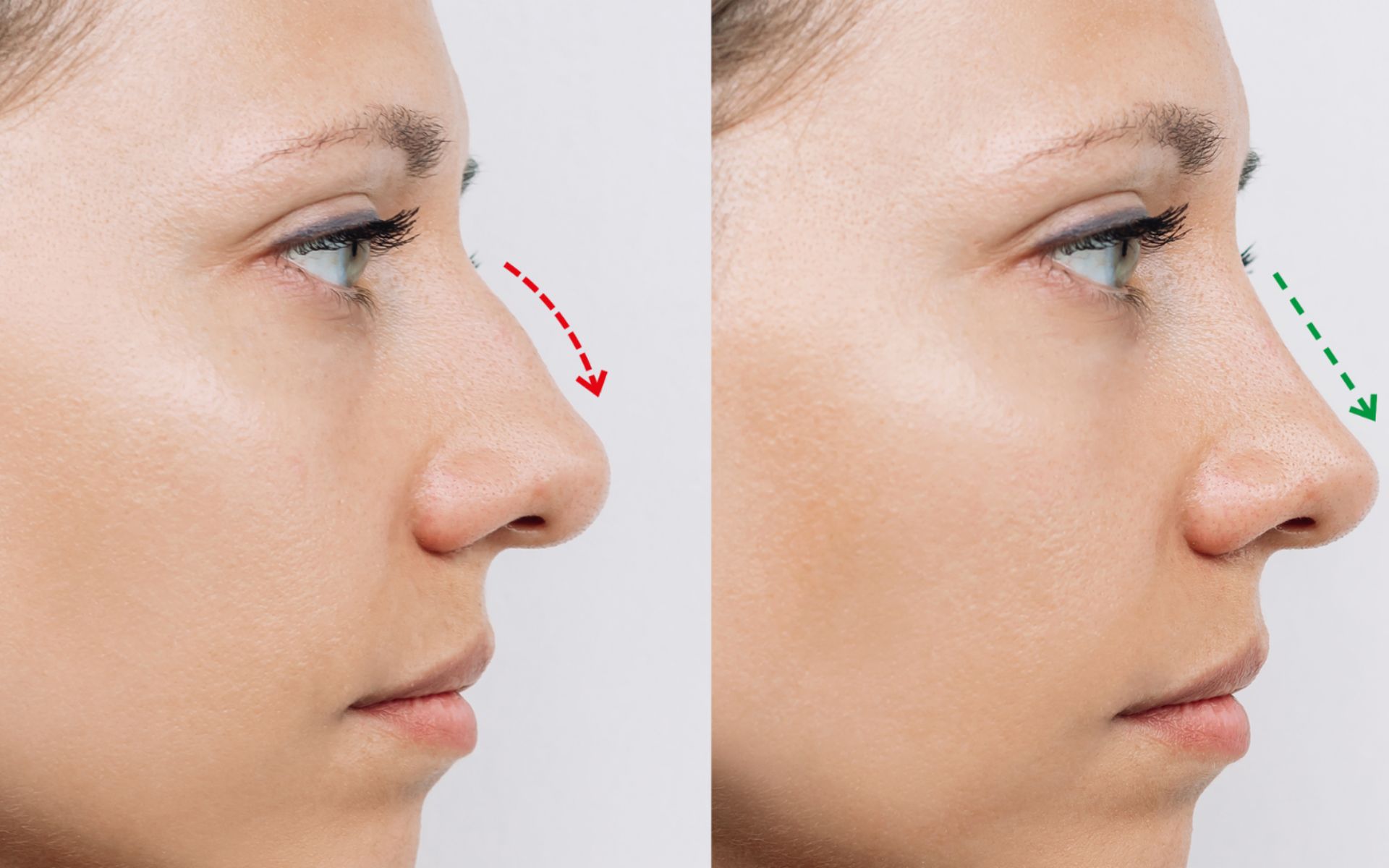
Rhinoplasty is surgery that changes the shape or structure of the nose.
Patients may consider rhinoplasty to address:
- A nasal hump
- Nose width
- Nasal tip shape
- Nasal asymmetry
- Proportion between the nose and face
- Changes caused by injury
The objective is to create a nose that fits naturally with the rest of the face.
What Is Septorhinoplasty?
Septorhinoplasty combines nasal reshaping with correction of the nasal septum.
The septum is the structure separating the two nasal passages. When it is significantly deviated, it may contribute to breathing difficulty.
Therefore, septorhinoplasty can address both structural appearance and selected functional concerns.
Rhinoplasty vs Septorhinoplasty:
| Feature | Rhinoplasty | Septorhinoplasty |
| Cosmetic reshaping | Yes | Yes |
| Septum correction | Not necessarily | Yes |
| Breathing concerns | May sometimes be addressed | Often a key consideration |
| Facial balance | Yes | Yes |
| Surgical planning | Primarily nasal structure | Nasal structure + septum |
Can Rhinoplasty Improve Breathing?
In some cases, structural changes made during rhinoplasty may improve airflow.
However, not every cosmetic rhinoplasty is designed to treat breathing problems.
If nasal obstruction is a concern, the surgeon should evaluate the internal nasal structures as part of the treatment plan.
What Causes Difficulty Breathing Through the Nose?
Potential contributors include:
- Deviated septum
- Narrow nasal valves
- Enlarged nasal tissues
- Previous nasal trauma
- Structural abnormalities
Because several conditions can contribute to nasal obstruction, a proper assessment is important before surgery.
Open vs Closed Rhinoplasty:
Rhinoplasty can generally be performed using open or closed approaches.
Open Rhinoplasty:
An open approach uses an incision across the columella, allowing broader access to the nasal framework.
Closed Rhinoplasty:
A closed approach uses incisions within the nose.
The appropriate approach depends on the complexity of the correction and the surgeon’s assessment.
Rhinoplasty for Facial Balance:
A nose should not be evaluated in isolation.
Its relationship with the:
- Chin
- Forehead
- Cheeks
- Lips
- Eyes
- Overall facial proportions
can influence the final aesthetic appearance.
This is why good rhinoplasty planning focuses on facial harmony rather than creating a predetermined “perfect nose.”
Recovery After Rhinoplasty:
Swelling and bruising are common during the early recovery period.
Some patients may notice:
- Nasal congestion
- Temporary swelling
- Bruising around the eyes
- Mild discomfort
- Changes in sensation
Although the visible appearance improves gradually, nasal swelling particularly around the tip can take considerably longer to completely settle.
Why Rhinoplasty Results Take Time?
The nose is a delicate three-dimensional structure containing bone, cartilage and soft tissue.
Healing occurs gradually.
Early postoperative appearance should therefore not be considered the final result.
Frequently Asked Questions:
Is septorhinoplasty only for people with breathing problems?
It is generally considered when septal correction is needed alongside nasal reshaping.
Is rhinoplasty purely cosmetic?
Rhinoplasty can have cosmetic goals and, depending on the structural changes, may also influence nasal function.
Can rhinoplasty fix a deviated septum?
If a deviated septum contributes to the problem, septoplasty or septorhinoplasty may be considered.
How long does rhinoplasty swelling last?
Swelling decreases gradually, but complete refinement can take several months and varies among patients.
Final Takeaway:
The choice between rhinoplasty vs septorhinoplasty in Dehradun depends on whether the treatment needs to address cosmetic concerns alone or both nasal appearance and internal structural issues.
A detailed assessment can help identify the underlying problem and determine the most appropriate surgical approach.
Post a comment