
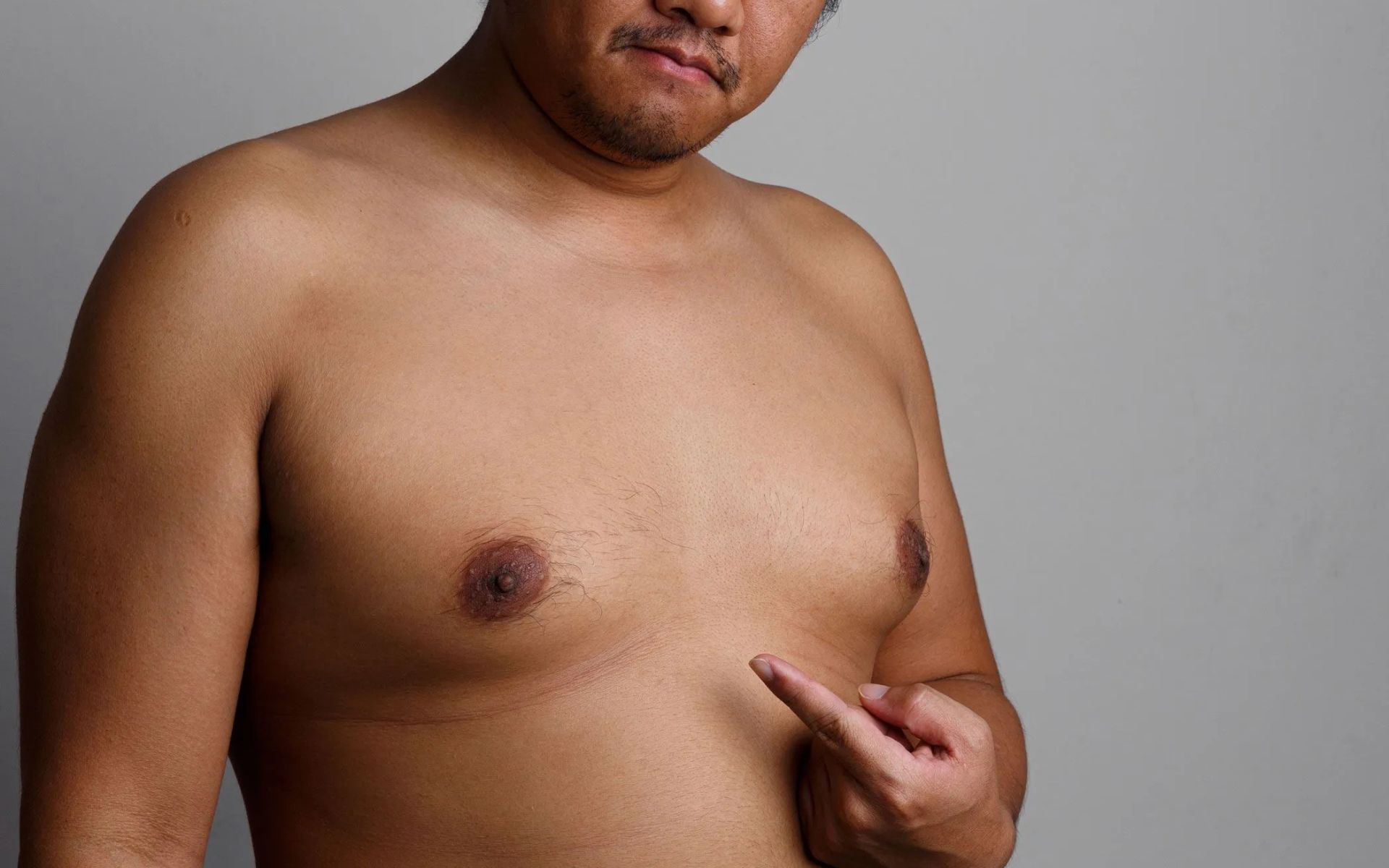
Gynecomastia vs Chest Fat: How to Know Which Treatment You Need
Enlarged male breasts can affect confidence, clothing choices and body image. But not every case of a larger male chest is caused by the same thing.
For some men, the concern is primarily excess fat. For others, it may be gynecomastia, a condition involving enlargement of glandular breast tissue. Some men may have a combination of glandular tissue and excess fat.
Understanding the difference is important because the appropriate treatment can vary.
Gynecomastia surgery in Dehradun can help selected patients achieve a flatter, more masculine chest contour when lifestyle changes alone do not adequately address the problem.
What Is Gynecomastia?
Gynecomastia refers to enlargement of male breast tissue. It can occur because of changes in the balance between estrogen and testosterone, certain medications, underlying medical conditions or other factors.
It can occur during adolescence, adulthood or later in life.
Not every case requires surgery. The first step is determining the underlying cause.
What Is Chest Fat?
Chest fat, sometimes called pseudogynecomastia, occurs when excess adipose tissue contributes to a fuller chest appearance without significant enlargement of glandular breast tissue.
It is commonly associated with:
- Weight gain
- Obesity
- Changes in body composition
- Reduced physical activity
In some men, losing weight can significantly improve chest fullness.
However, substantial weight loss can sometimes leave excess skin behind.
Gynecomastia vs Chest Fat: Key Differences
| Feature | Gynecomastia | Chest Fat |
| Main tissue involved | Glandular tissue | Fat |
| Common association | Hormonal or other causes | Weight gain/body fat |
| Weight loss effect | May not fully correct it | Can improve appearance |
| Treatment | May require tissue removal, liposuction or both | Liposuction may be considered |
| Evaluation | Medical assessment may be appropriate | Body composition assessment |
The distinction cannot always be made accurately through self-examination alone.
Can Exercise Get Rid of Gynecomastia?
Exercise can reduce overall body fat and strengthen the chest muscles. However, exercise does not directly remove developed glandular breast tissue.
If the enlargement is primarily due to excess fat, weight management may produce significant improvement.
If glandular tissue remains despite achieving a stable, healthy weight, surgical evaluation may be appropriate.
How Is Gynecomastia Treated?
Treatment depends on the underlying cause and the amount and type of tissue present.
Liposuction:
Liposuction may be useful when excess fat contributes significantly to the chest contour.
Glandular Tissue Removal:
When firm glandular tissue is responsible for enlargement, surgical removal may be required.
Combination Treatment:
comastia Surgery?
A consultation may be appropriate if:
- Enlarged breasts persist despite weight loss
- The chest contains firm glandular tissue
- You are bothered by the appearance of your chest
- Clothing does not fit comfortably around the chest
- The condition affects your confidence
- Your weight has remained relatively stable
A surgeon should also assess whether an underlying medical or medication-related cause needs attention.
What Is Recovery Like?
Recovery depends on the extent of treatment.
Temporary swelling, bruising, tightness and discomfort can occur. A compression garment may be recommended to support healing and help control swelling.
Your surgeon will advise you about:
- Wound care
- Compression garments
- Physical activity
- Exercise
- Follow-up appointments
Are Gynecomastia Surgery Results Permanent?
The removal of glandular tissue and fat can provide long-lasting contour improvement. However, substantial future weight gain can affect the appearance of the chest.
Maintaining a stable weight and healthy lifestyle can help preserve the result.
Frequently Asked Questions?
Is gynecomastia the same as chest fat?
No. Gynecomastia involves enlargement of glandular breast tissue, while chest fat is primarily an accumulation of adipose tissue.
Can losing weight cure gynecomastia?
Weight loss can reduce chest fat, but it may not eliminate glandular tissue.
Can liposuction treat gynecomastia?
Liposuction can address excess fat. Some patients may also require removal of glandular tissue.
Does gynecomastia surgery leave scars?
Surgical scars depend on the technique and amount of tissue requiring removal. Your surgeon can explain the expected incision pattern during consultation.
Final Takeaway:
A fuller male chest isn’t always simply a weight problem. Determining whether the main issue is fat, glandular tissue, loose skin or a combination is the key to choosing the right treatment.
If you are considering gynecomastia surgery in Dehradun, a consultation with Dr. Rakesh Tawar can help determine the underlying concern and develop an individualized treatment plan.

Post a comment