
Jaw Contouring Surgery: Advanced Guide to Jawline Definition, Facial Proportion & Surgical Options
The jawline plays an important role in overall facial structure. A broad, asymmetrical or disproportionately prominent jaw can influence the appearance of the entire face.
Jaw contouring surgery, also known as jaw reshaping or jaw reduction surgery, is designed to modify the shape or size of the jaw to improve facial proportions. Dr. Tawar’s service page describes jaw contouring as an option for altering jaw shape or size, including cases involving asymmetry or a prominent jaw.
Modern facial contouring should not be viewed simply as making the jaw smaller. The objective is to create better harmony between the jaw, chin, cheekbones and other facial features.
What Is Jaw Contouring?
Jaw contouring involves surgically modifying selected structures of the lower face to change the overall jawline.
Depending on the underlying anatomy and treatment goal, the approach may involve:
- Jaw reduction
- Reshaping of the mandibular contour
- Correction of asymmetry
- Soft-tissue contouring
- Carefully selected minimally invasive techniques
The appropriate option depends on whether the patient’s concern comes primarily from bone structure, muscle, fat or a combination of factors.
What Causes a Wide or Prominent Jaw?
A strong or broad jawline can have several causes:
Bone Structure
The width and shape of the mandible are largely determined by skeletal anatomy.
Masseter Muscle
In some individuals, enlarged masseter muscles contribute significantly to lower-face width.
Facial Fat
Localized fat around the jaw and lower face can make the jawline appear less defined.
Genetics
Facial structure is strongly influenced by inherited characteristics.
This distinction is important because not every broad jaw requires bone surgery.
Who May Consider Jaw Contouring Surgery?
Potential candidates may include people concerned about:
- A disproportionately wide jaw
- Prominent mandibular angles
- Facial asymmetry
- A strong or square lower-face appearance
- Lack of harmony between the jaw and other facial features
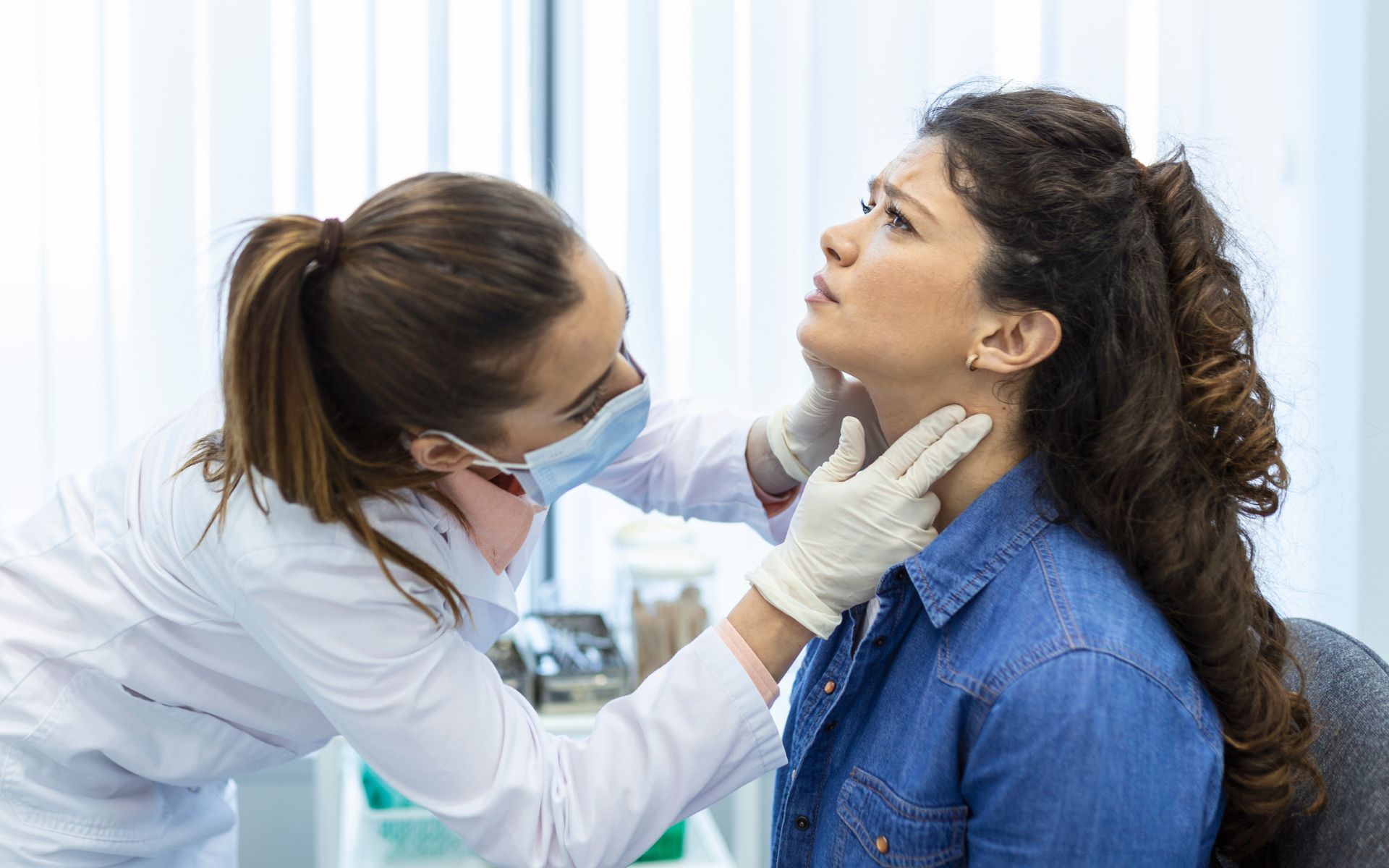
A detailed examination is essential because the ideal treatment depends on the anatomical reason behind the concern.
Jaw Contouring vs Jawline Liposuction
These procedures address different problems.
Jaw contouring surgery can modify underlying structural proportions.
Jawline or facial liposuction primarily addresses localized soft-tissue fat.
If the jaw is structurally wide because of bone, removing fat will not produce the same type of change as skeletal contouring.
Conversely, a patient with good bone proportions but excess submental or lower-face fat may not need bone surgery.
This is why an anatomical assessment should come before choosing a procedure.
Jaw Contouring for Facial Asymmetry
Facial asymmetry is common, and minor asymmetry is normal.
However, more noticeable differences in jaw shape may affect overall facial balance.
Depending on the underlying cause, treatment may involve structural modification, soft-tissue correction or another facial-contouring approach.
The goal is generally improvement rather than artificial mathematical symmetry.
How Is Jaw Contouring Surgery Performed?
The surgical plan varies according to the patient’s anatomy and the amount of correction required.
A typical treatment pathway may include:
- Detailed facial and jaw assessment
- Evaluation of skeletal proportions
- Review of medical history and expectations
- Surgical planning
- Appropriate anesthesia
- Controlled reshaping of the relevant structures
- Closure and postoperative monitoring
Dr. Tawar’s current service page notes that jaw contouring may be performed through traditional surgical approaches or, in selected circumstances, minimally invasive techniques such as liposuction or injectable fillers.
Because these techniques do not address exactly the same anatomical structures, the treatment should be selected only after professional evaluation.
Does Jaw Contouring Change Your Entire Face?
It can influence the perception of facial proportions because the jaw forms a major component of the lower third of the face.
However, the purpose of surgery should not be to make every face look identical.
A well-planned procedure considers:
- Chin projection
- Cheekbone width
- Nose-to-face proportions
- Facial length
- Jaw width
- Facial symmetry
- Gender-related facial characteristics
Recovery After Jaw Contouring
Recovery depends heavily on the technique used.
Patients may experience:
- Swelling
- Bruising
- Temporary tightness
- Discomfort
- Changes in sensation
- Difficulty with normal activities during the initial healing period
More extensive skeletal procedures generally require more recovery than minimally invasive soft-tissue procedures.
The surgeon will provide individualized instructions regarding diet, activity, medication and follow-up.
Potential Risks and Considerations
Like any surgical procedure, jaw contouring carries potential risks.
These can include:
- Infection
- Bleeding
- Swelling
- Nerve-related sensory changes
- Scarring
- Asymmetry
- Need for revision
- Unsatisfactory aesthetic outcome
The risks vary depending on the specific technique and anatomical structures involved.
Is Jaw Contouring Permanent?
Structural changes to bone can be long-lasting, but the face continues to age.
Changes in skin elasticity, facial fat distribution and soft tissues can influence the appearance of the jawline over time.
Maintaining realistic expectations is therefore an important part of treatment planning.
Why Facial Proportion Matters More Than Jaw Size?
One of the biggest misconceptions about jaw contouring is that a smaller jaw automatically creates a more attractive face.
That isn’t necessarily true.
A jaw that is too narrow for a particular facial structure can create imbalance. Similarly, excessive reduction may not produce the desired aesthetic result.
The goal should be proportion, balance and natural facial definition.
Final Takeaway:
Jaw contouring surgery can be an effective option for selected patients who want to improve lower-face proportions, jaw width or facial asymmetry.
But the most appropriate procedure depends on what is actually creating the jaw’s appearance bone, muscle, fat, skin or a combination of factors.
A detailed facial assessment by an experienced plastic surgeon is essential before deciding whether surgical jaw reshaping, soft-tissue contouring or another approach is appropriate.
If you are considering Jaw Contouring Surgery in Dehradun, consult Dr. Rakesh Tawar for a personalized evaluation and treatment plan.

Post a comment